 EN
EN  KR
KR  ES
ES  AR
AR 

As electrical equipment continues to move toward higher power density, higher operating temperatures, and more demanding electrical environments, manufacturers are placing increasingly stringent requirements on insulation materials. In addition to reliable electrical insulation performance, materials must maintain stable mechanical properties under high temperatures, electrical stress, and complex operating conditions.
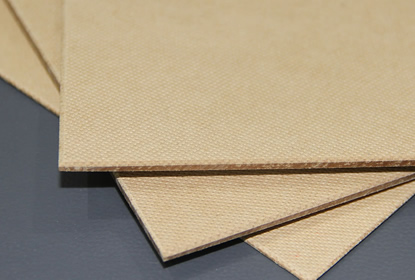
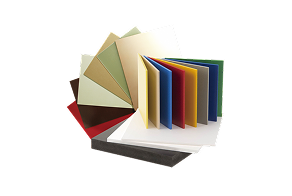
Against this background, G7 Silicone Fiberglass Laminate Sheet is attracting increasing attention in specialized electrical insulation applications. G7 is manufactured using fiberglass cloth as the reinforcement and silicone resin as the bonding matrix. Through resin impregnation, multilayer lamination, and high-temperature, high-pressure curing, the material achieves a distinctive combination of electrical insulation, heat resistance, arc resistance, and mechanical strength.
Compared with conventional fiberglass laminate materials that are primarily used for general insulation and structural support, G7 is particularly suitable for electrical equipment and insulation components where high-temperature performance and arc resistance are important considerations.
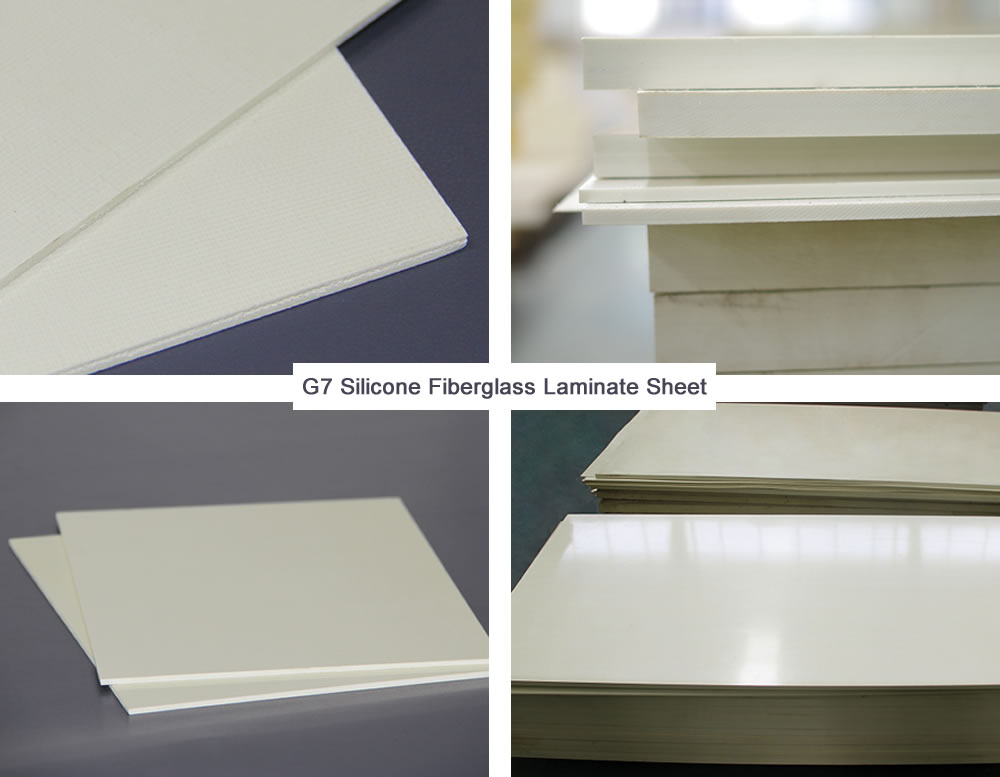
G7 uses alkali-free fiberglass cloth as the reinforcing material. The fiberglass cloth is impregnated with silicone resin and then subjected to controlled temperature and pressure during multilayer stacking and hot-press curing.
The fiberglass reinforcement provides mechanical strength, dimensional stability, and structural support, while the silicone resin system contributes to the material’s heat resistance, thermal stability, and electrical insulation performance.
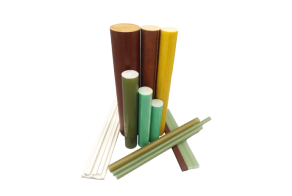
This material structure gives G7 a different performance profile from commonly used G10, G11, and FR4 epoxy fiberglass laminate sheets.
For electrical equipment designers, this distinction is important. Selecting an insulation material should not simply be based on mechanical strength or purchasing cost. Instead, the material needs to be evaluated according to the actual operating temperature, electrical stress, mechanical loads, and environmental conditions.
When equipment or components are exposed to elevated temperatures and potential arc conditions, silicone fiberglass laminate can be considered as a potential insulation material solution.
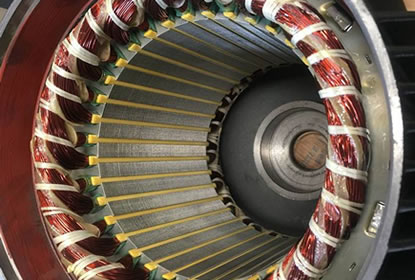
Motors and generators contain numerous insulation and structural components. These components may be exposed not only to electrical stress but also to mechanical vibration, thermal cycling, and elevated operating temperatures over extended periods.
G7 Silicone Fiberglass Laminate Sheet can be machined into different types of insulation and support components according to equipment requirements, including insulation plates, insulating washers, spacers, support components, and other customized insulation parts.
The fiberglass reinforcement provides mechanical support, while the silicone resin system provides good thermal stability and electrical insulation performance. This makes G7 suitable for selected motor and generator components where heat resistance and arc resistance are important requirements.
For motor manufacturers, material selection within the insulation system can have a direct impact on the long-term reliability of the equipment. When conventional epoxy fiberglass laminate materials cannot fully meet certain demanding operating conditions, G7 can be evaluated as an alternative material solution.
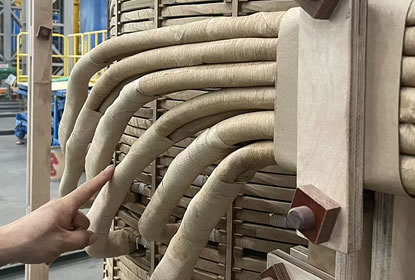
Transformers and other power equipment rely on properly designed insulation systems to provide reliable electrical separation between conductive components.
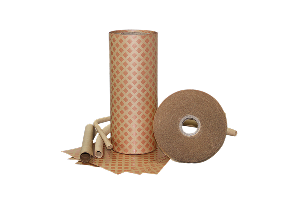
Different parts of an electrical device may require different types of insulation materials. For example, in oil-immersed transformers, electrical insulation pressboard, laminated wood, DDP, crepe paper, and other insulation materials are widely used in internal insulation systems.
However, certain specialized structural components may have different material requirements.
For insulation components requiring a combination of heat resistance, arc resistance, and mechanical support, G7 can be considered as a candidate material. Depending on the equipment design, it can be machined into insulation barriers, supports, spacers, washers, and other customized insulation components.
The final material selection should always be evaluated according to the actual operating temperature, voltage level, mechanical load, environmental conditions, and overall insulation system design of the equipment.
| Material | Resin System | Main Advantages | Typical Applications |
|---|---|---|---|
| G7 | Silicone | High-temperature resistance, arc resistance | High-temperature electrical equipment, motors, generators, switchgear |
| G10 | Epoxy | High mechanical strength, good electrical insulation | Motors, transformers, electronic and electrical structural components |
| G11 | High-temperature Epoxy | Higher temperature resistance than G10 | High-temperature motors, transformers, electrical equipment |
| FR4 | Flame-retardant Epoxy | Flame retardancy, electrical insulation, good machinability | PCBs and electrical structural components |
When purchasing G7 Silicone Fiberglass Laminate Sheet, simply specifying the material name is usually not enough.
During the procurement process, customers should also confirm the required sheet thickness, length, width, quantity, as well as the electrical, mechanical, and thermal performance requirements based on the intended application.
For specialized electrical equipment, the following factors should be considered carefully:
If customized insulation components are required, customers are recommended to provide engineering drawings or detailed dimensional information whenever possible. This allows the manufacturer to evaluate the appropriate material specification and machining process based on the actual component design.
Choosing the right insulation material is an important part of ensuring the reliability of electrical equipment. For applications involving elevated temperatures, electrical stress, and demanding mechanical conditions, G7 Silicone Fiberglass Laminate Sheet provides a specialized material option worth evaluating.
ZTelec Group is a professional manufacturer of electrical insulation materials, with specialized and automated insulation material production facilities. With extensive experience in the development, manufacturing, machining, and customization of electrical insulation materials, ZTelec Group provides reliable insulation solutions for manufacturers of motors, generators, transformers, switchgear, and other electrical equipment.
For high-temperature electrical insulation applications, ZTelec Group supplies G7 Silicone Fiberglass Laminate Sheet and provides precision machining and customized G7 insulation components. In addition to standard-size G7 sheets, we can manufacture customized insulation parts according to customer drawings, dimensions, tolerances, operating conditions, and specific technical requirements, including insulating gaskets, washers, spacers, support components, insulation plates, and other customized structural insulation parts.
Whether you require G7 Silicone Fiberglass Laminate Sheets or customized G7 insulation components, ZTelec Group provides a one-stop service covering both material supply and precision machining, helping customers obtain a reliable and application-specific insulation solution from a single professional manufacturer.