 EN
EN  KR
KR  ES
ES  AR
AR 

As power and electronic devices continue to evolve toward higher voltages and higher power densities, long-term reliability has become a core challenge in design and manufacturing. Among the many factors affecting system stability, the performance of insulation materials often determines the overall lifespan and safety of the equipment. FR4 epoxy sheets, with their excellent electrical, mechanical, and environmental adaptability, are increasingly becoming a critical material for enhancing the reliability of electrical systems.
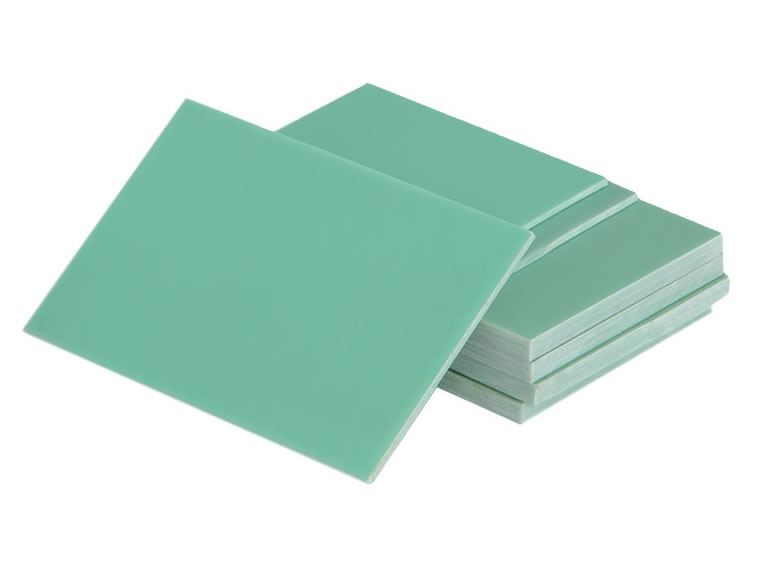
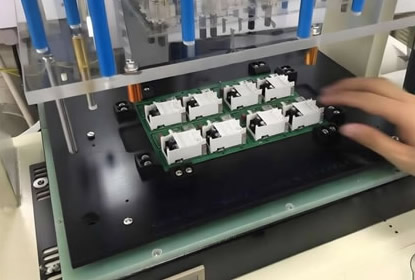
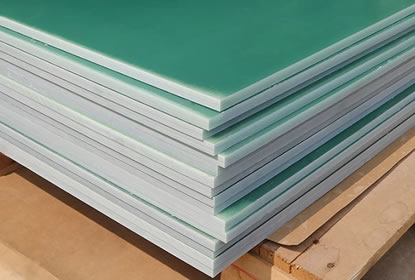
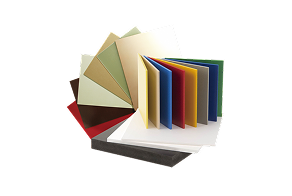
FR4 epoxy sheet is a laminated insulation material made by impregnating electronic-grade glass fiber cloth with flame-retardant epoxy resin, then forming it under high temperature and pressure. The “FR” in its name stands for Flame Retardant, meeting the UL94 V-0 standard. This material combines excellent dielectric properties, mechanical strength, and resistance to temperature and humidity. It is widely used in transformers, motors, switchgear, inverters, PCB test fixtures, and electric control systems in new energy vehicles.
Superior Electrical Insulation to Reduce Breakdown Risk
The most severe failures in electrical systems often result from insulation breakdown, causing short circuits or arcing. FR4 epoxy sheet has a high dielectric strength (typically ≥20 kV/mm) and extremely low dielectric loss, effectively isolating high-voltage and low-voltage circuits to prevent leakage. Even in humid or contaminated environments, its surface and volume resistivity remain stable, eliminating the risk of tracking and flashover from the outset.
Excellent Mechanical Support to Withstand Short-Circuit Forces
In transformers or reactors, short-circuit currents can generate electrodynamic forces tens of times higher than normal. If insulation blocks, pressure plates, or spacers are insufficiently strong, winding deformation or inter-turn short circuits may occur. FR4 epoxy sheets feature high flexural strength (≥350 MPa), hardness, and creep resistance, providing long-term mechanical support to ensure that electrical structures remain stable under vibration, impact, or short-circuit conditions.
Thermal Resistance and Aging Resistance to Extend Equipment Lifespan
Electrical equipment inevitably generates heat during operation. FR4 epoxy sheets have a glass transition temperature (Tg) typically ≥130°C, with some high-Tg grades reaching over 170°C. They maintain stable electrical and mechanical performance even under long-term thermal aging, effectively slowing insulation degradation caused by thermal stress. Coupled with excellent chemical resistance and low water absorption (≤0.2%), FR4 sheets perform reliably in humid, salty, or lightly contaminated environments.
Flame Retardancy to Reduce Fire Risk
FR4 epoxy sheets meet the UL94 V-0 flame-retardant rating, self-extinguishing when removed from the flame, and produce no molten droplets. In cases of overload, short circuit, or external fire, this material effectively prevents flame propagation, providing crucial time for personnel evacuation and fire control, significantly enhancing overall system safety.
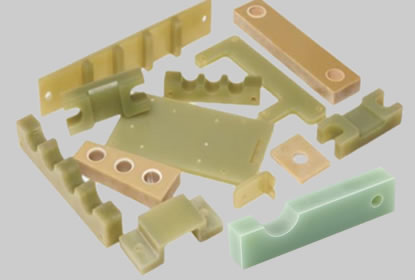
Transformers: Used as spacers between high- and low-voltage windings, end insulation, lead supports, and core grounding sheet supports.
Switchgear and Busbar Systems: Fabricated into phase barriers, contact boxes, and busbar clamps to improve inter-phase insulation in compact switchgear.
Motors and Generators: Applied as slot wedges, slot insulation, and phase insulation to enhance voltage withstand capability and corona resistance.
New Energy and Rail Transit: Used in insulation structural components of charging stations, inverters, and traction converters, meeting high seismic and weather resistance requirements.
Choose FR4 sheets of appropriate thickness and Tg rating according to voltage level and thermal conditions. Use carbide tools during machining to prevent delamination or burrs. For projects requiring halogen-free materials, halogen-free FR4 variants are available. Regular cleaning and maintaining a dry environment can further extend the service life of FR4 sheets in the system.
From power generation and transmission to end-use applications, every stage of an electrical system relies on a reliable insulation foundation. With its combination of high insulation, mechanical strength, thermal and flame resistance, and long-term stability, FR4 epoxy sheets have become an indispensable material in modern electrical engineering. For designers aiming for long-term operational reliability and safety, selecting high-quality FR4 epoxy sheets is equivalent to establishing a solid protective barrier for the entire system.