 EN
EN  KR
KR  ES
ES  AR
AR 

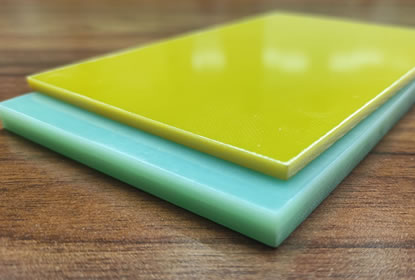
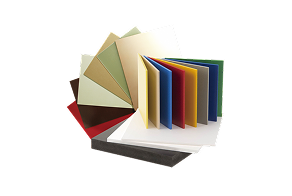
G7 Glass Silicone Laminate Sheet is a high-performance electrical insulation material manufactured from woven glass fabric impregnated with silicone resin and laminated under high temperature and pressure. Unlike conventional epoxy-based laminates, G7 material offers superior thermal resistance, excellent arc resistance, and outstanding electrical insulation performance in extreme environments. It is widely used in industries requiring reliable insulation under high temperatures and harsh operating conditions. G7 belongs to the NEMA insulation grade system and corresponds to SIGC 202 standards.
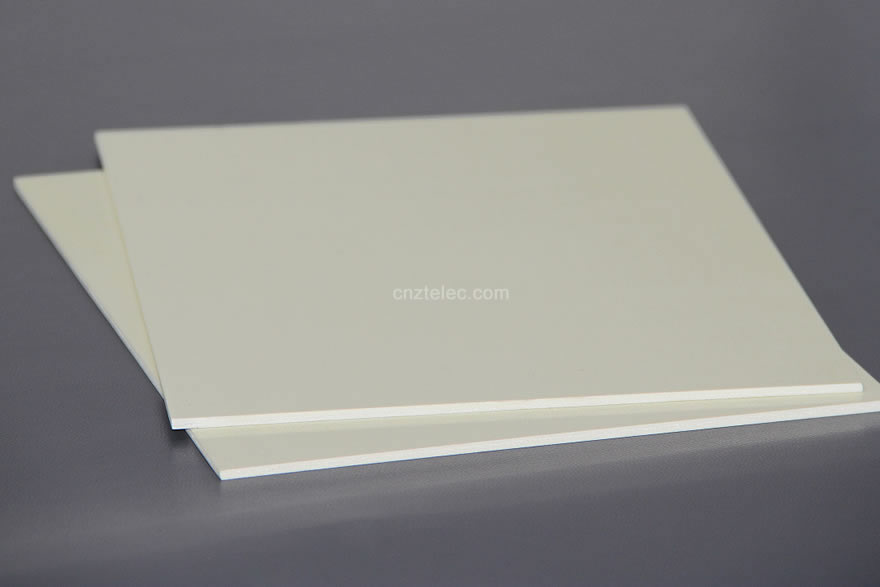
One of the biggest advantages of G7 laminate sheets is their exceptional thermal stability. These materials can withstand temperatures significantly higher than conventional glass epoxy laminates, with temperature indexes reaching approximately 180°C and insulation class C performance. This makes G7 sheets suitable for electrical systems exposed to continuous thermal stress.
G7 silicone laminate sheets provide excellent dielectric properties, including high breakdown voltage, strong insulation resistance, and superior tracking resistance. These properties allow the material to perform reliably in high-voltage applications such as switchgear, transformers, and power distribution systems. Typical dielectric strength can exceed 16 kV/mm depending on thickness and testing methods.
Compared with many epoxy laminates, G7 materials are specifically recognized for their excellent resistance to arc exposure and tracking phenomena. This characteristic makes them ideal for electrical environments where arcing may occur frequently, including circuit breakers and switchboard assemblies.
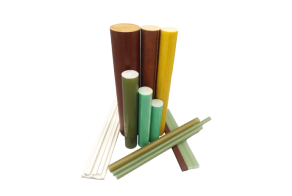
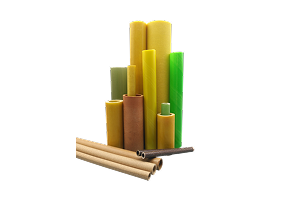
Despite operating under elevated temperatures, G7 sheets maintain high mechanical strength and dimensional stability. They can be machined into custom components including washers, spacers, insulation barriers, sleeves, and structural supports. The material also demonstrates low deformation and excellent processing performance.
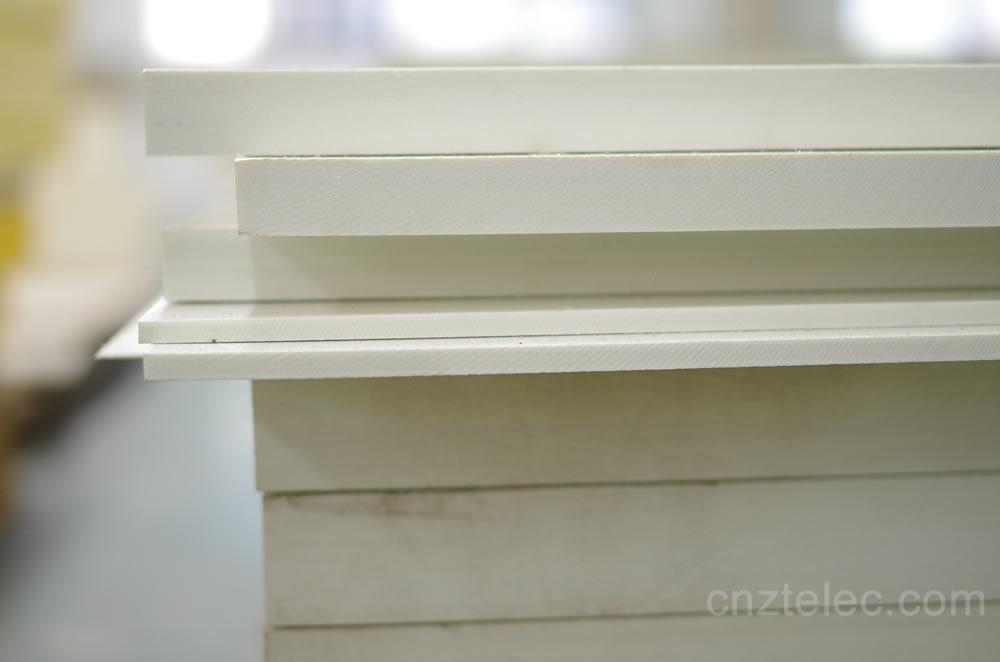
G7 sheets are widely used for:
Their excellent dielectric properties make them suitable for demanding electrical insulation applications.
Electrical rotating equipment often requires materials capable of withstanding both heat and electrical stress. G7 laminates are commonly used for:
These applications benefit from the material’s thermal endurance and mechanical stability.
Because silicone resin systems tolerate elevated temperatures, G7 laminates are frequently used in:
This makes G7 a preferred solution where conventional epoxy materials may fail.
Industries exposed to severe environments often utilize G7 materials for insulation and structural components because of their resistance to heat, chemicals, moisture, and mechanical stress. Typical sectors include aerospace, railways, defense, energy, and heavy industrial equipment.
Typical performance characteristics include:
Actual performance may vary depending on thickness, manufacturing process, and testing standards.
While G10 and G11 are epoxy-based glass laminates commonly used for electrical insulation, G7 uses silicone resin technology designed for significantly higher thermal resistance and superior arc resistance. G10 is typically selected for general electrical insulation, G11 for higher temperature electrical applications, while G7 becomes the preferred option when extreme temperatures and arc resistance become critical factors.
G7 Glass Silicone Laminate Sheet is one of the most reliable insulation materials for high-temperature and high-voltage environments. Combining excellent thermal resistance, superior electrical insulation performance, strong mechanical properties, and outstanding arc resistance, G7 sheets continue to play an important role in transformers, motors, generators, switchgear, industrial heating systems, and advanced electrical equipment. For applications where standard epoxy laminates cannot meet performance requirements, G7 silicone laminate provides a dependable long-term solution.