 EN
EN  KR
KR  ES
ES  AR
AR 

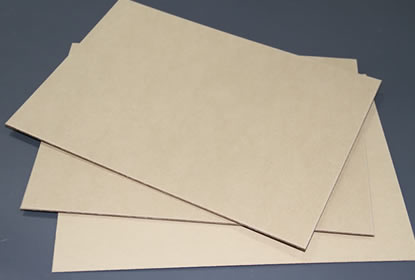
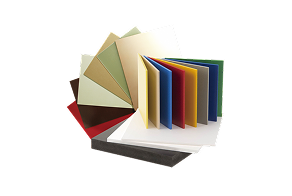
G11 epoxy fiberglass laminate sheet (G-11 Epoxy Sheet) is a rigid, sheet-like insulating material made by impregnating continuous electronic-grade fiberglass cloth with high-temperature epoxy resin, followed by heating and high-pressure curing. It maintains extremely high mechanical strength and insulation properties even at high temperatures.
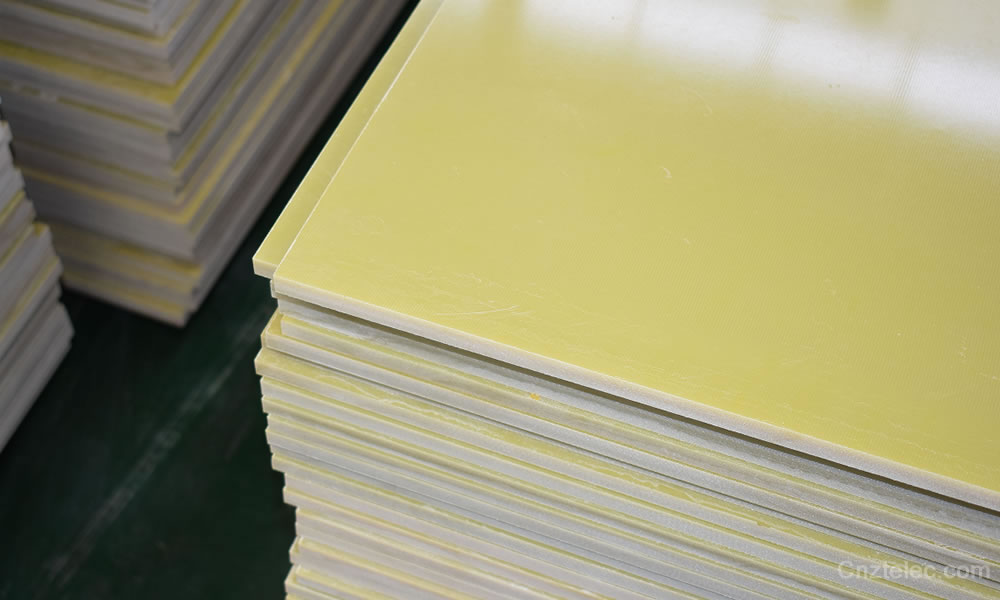
G11 is a NEMA (National Electrical Manufacturers Association) standard material. Its most significant characteristic is its excellent heat resistance; it retains over 50% of its flexural strength even at 155°C (or 180°C). Furthermore, it exhibits stability in low-temperature and cryogenic environments and has extremely low water absorption.
| Product name | NEMA G-11/EPGC 203/G11 epoxy sheet | |||||
| SECTIONI-MISC CHARACTERISTICS | ||||||
| Density | g/cm³ | 1.95-2.05 | ||||
| Flammability | HB | |||||
| Water absorption(5mm) | % | ≤0.12 | ||||
| Chemical family | Resin | Epoxy | ||||
| Reinforcement type | Glass fabrics | 7628 | ||||
| Thermal characteristics | ℃ | ≥155 | ||||
| Colour | Green(Natural),Yellow | |||||
| SECTIONII-MECHANICAL CHARACTERISTICS | ||||||
| Bending strength | MPa | ≥450 | ||||
| Tensile strength | MPa | ≥350 | ||||
| Compressive strength ⊥ | MPa | ≥450 | ||||
| Modulus of elasticity | MPa | ≥24000 | ||||
| Impact strength // | kJ/m² | ≥33 | ||||
| SECTIONⅢ-ELECTRICAL CHARACTERISTICS | ||||||
| Electrical strength ⊥ | KV/mm,thicknesss3mm | ≥15 | ||||
| Breakdown voltage// | kV | ≥45 | ||||
| Proof tracking index | PTI | ≥200 | ||||
| SECTION IV-HAZARDOUS INGREDIENTS | ||||||
| Hazardous components | No OSHA hazardous ingredients | |||||
| SECTIONV-REACTIMTY DATA | ||||||
| Chemical stability | Stable under normal conditions | |||||
| Conditions to avoid | Avoid longtime heating above 155℃ | |||||
| Incompatible materials | Exposure to strong acids or bases will cause damage | |||||
| Hazardous polymerizations | Will not occur | |||||
| Storage and use effects | Conventional performance remains stable within 1 year. Long-term exposure to sunlight and high humidity will cause discoloration and performance degradation. | |||||
| SECTION VI-PRECAUSTION | ||||||
| Over exposure effects | Dust from machining products ca irritate the eyes,nose,throat and lungs.Prolonged inhalation of dust can cause lung disease. | |||||
| Note:Alinformation,recommendations and suggestions appearing herein concerning this product are average values ascertained at room temperature by regular statistical analysis.It is provided purely for information and shall not be regarded as binding unless expressly agreed otherwise. | ||||||
| DIMENSIONAL TOLERANCE | Tolerance of length &width is less than 5mm | |||||
| Thickness(mm) | Tolerance(mm) | Thickness(mm) | Tolerance(mm) | |||
| 0.5-0.8 | ±0.05 | 6.0-8.0 | ±0.50 | |||
| 1.0-1.8 | ±0.15 | 10.0-15.0 | ±0.75 | |||
| 2.0-2.8 | ±0.20 | 16.0-20.0 | ±1.00 | |||
| 3.0-5.0 | ±0.30 | 21.0-50.0 | ±2.00 | |||
The manufacturing process of G11 follows the standard pressing process for thermosetting composite materials:
1. Mixing: Precisely mix epoxy resin, curing agent (usually a high-temperature resistant curing agent), and accelerator in the specified proportions.
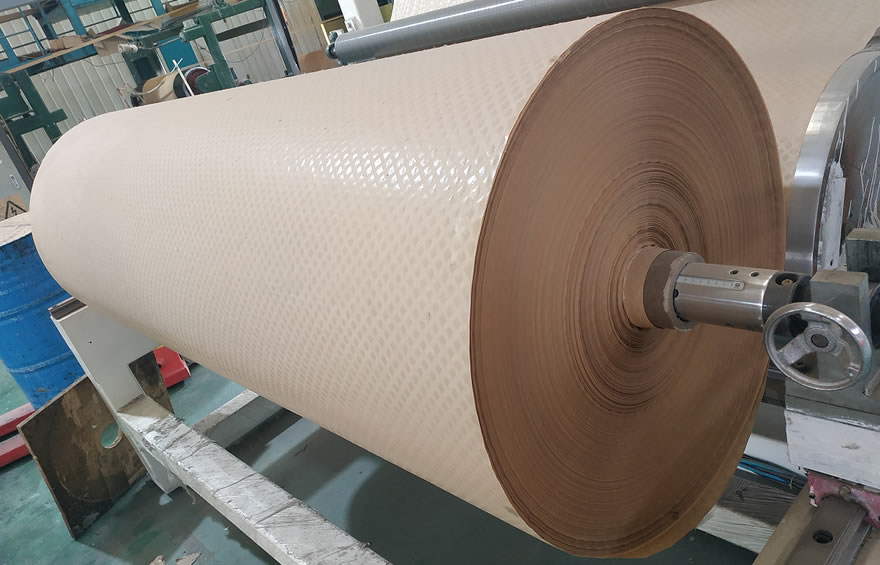
2. Impregnation: Continuously pass alkali-free fiberglass cloth through a resin bath to ensure complete impregnation.
3. Drying (Stage B): The resin-impregnated fiberglass cloth enters an oven to evaporate the solvent, partially curing the resin (prepreg), and then cuts it into sheets of a fixed length.
4. Lamination: Multiple layers of prepreg are neatly stacked according to the thickness requirements of the finished sheet.
5. Hot Press Curing: The stacked material is fed into a high-pressure hot press. It is held at high temperature (approximately 170°C – 200°C) and high pressure (several megapascals) for several hours to ensure complete cross-linking and curing of the resin.
6. Post-processing and Trimming: After cooling from the oven, remove edge burrs, check thickness and flatness, and store the finished product.
Power Equipment: Transformer insulation panels, electric furnace insulation, high-voltage switchgear top plates, disconnector switch components.
Motor Manufacturing: Large generator slot wedges, rotor insulation, washers, stator insulation components.
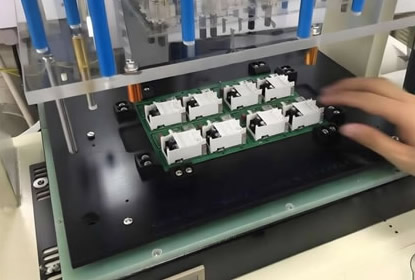
Electronics and Semiconductors: High-temperature testing fixtures, PCB production heat insulation boards, semiconductor wafer grinding pads.
Special Environments: Insulation for ultra-low temperature (liquid nitrogen, cryogenic) equipment, insulation structural components for rail transit.
1. Temperature Requirements:
Operating temperature below 130°C: Standard FR4/G10 is sufficient (lower cost).
Operating temperature between 135°C and 180°C: G11 must be selected to prevent mechanical strength degradation.
2. Fire Retardant Rating:
If there are no strict flame retardant requirements (or HB rating is permissible): Standard G11 is selected.
If the equipment has strict fire retardant requirements (must meet UL 94 V-0): FR5 should be selected (FR5 is an upgraded flame-retardant version of G11).
3. Dimensions and Tolerances:
Thickness: Common specifications range from 0.1mm to over 50mm. For high-precision fixtures, thickness tolerances (e.g., ±0.05mm) must be confirmed.
Custom Machining: G11 is hard and easily wears down cutting tools during machining. When selecting a model, it is necessary to confirm whether the supplier can directly provide finished parts for turning, milling, drilling, etc.
If you are looking for G11 epoxy fiberglass laminated sheet, please contact Ztelec Group. Ztelec Group is a professional manufacturer of electrical insulation materials with over 65 years of manufacturing experience. We can customize products to your specific specifications, thickness, and application.
Contact us now to receive detailed product information and a quote. We can also mail you free samples for testing.