

 EN
EN  KR
KR  ES
ES  AR
AR 

In 2026, the price of FR4 epoxy fiberglass sheets has been influenced by fluctuations in the cost of epoxy resin, electronic-grade fiberglass, energy, and transportation. Overall, the market has shown an upward and volatile trend. With continued demand from electric power equipment, motors, electronics, new energy vehicles, industrial automation, and PCB-related applications, FR4 epoxy fiberglass laminate remains an important engineering insulation material, while buyers are paying increasing attention to both material prices and delivery lead times.
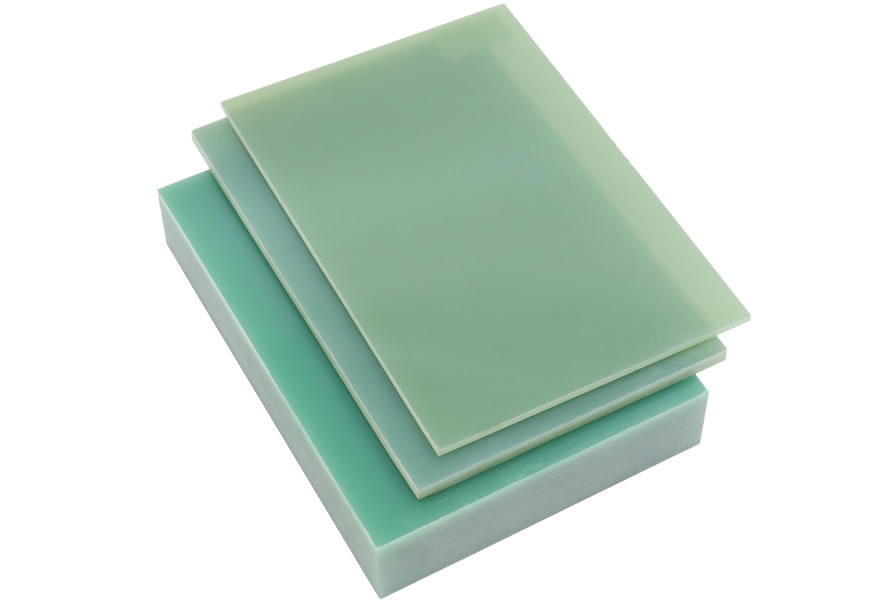
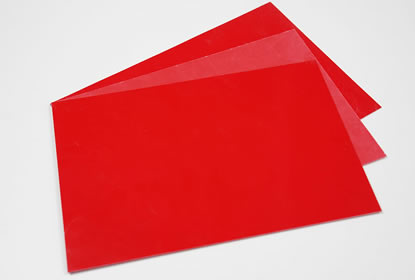
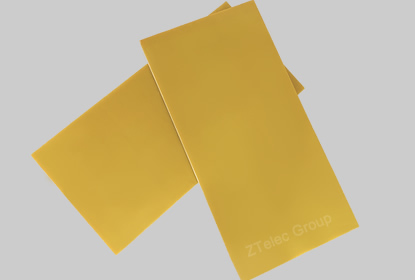
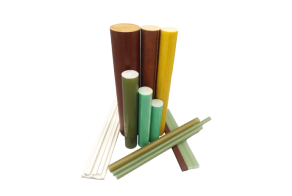
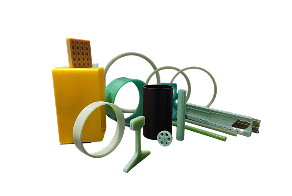
FR4 epoxy fiberglass sheet, also known as FR4 epoxy glass laminate, is manufactured using alkali-free fiberglass fabric as the reinforcing material and epoxy resin as the matrix. Through high-temperature and high-pressure lamination, it provides excellent mechanical strength, electrical insulation, heat resistance, and dimensional stability.
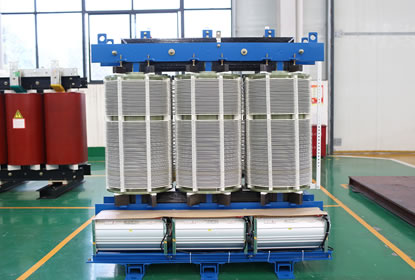
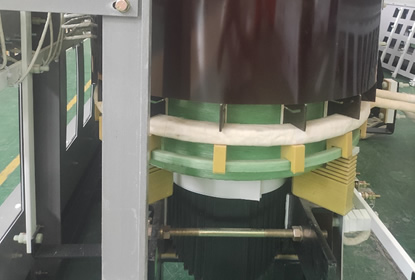
FR4 is widely used in electrical equipment, electronic devices, PCBs, motors, transformers, new energy vehicles, and industrial automation equipment.
Since the beginning of 2026, prices of several key raw materials used in FR4 production have experienced significant fluctuations. The prices of electronic-grade fiberglass and epoxy resin have become two of the most important factors affecting FR4 manufacturing costs.
Market information indicates that prices for electronic-grade fiberglass fabrics increased noticeably in 2026. Thin fiberglass fabrics such as 2116 and 1080 have been particularly affected by growing demand from high-end electronic applications and tighter supply, with cost pressures gradually extending to standard specifications.
At the same time, epoxy resin prices have also experienced considerable volatility. Rising raw material costs have increased the production costs faced by FR4 manufacturers.
As a result, the FR4 epoxy fiberglass sheet market in 2026 can generally be characterized by stronger cost support, greater price volatility, and increasing price differences between different specifications and grades.
Epoxy resin is one of the primary raw materials used to manufacture FR4 epoxy fiberglass laminate. Changes in epoxy resin prices directly affect production costs.
When the prices of epoxy resin, curing agents, and related chemical raw materials increase, FR4 manufacturers face higher production costs.
In 2026, epoxy resin prices have remained relatively volatile. Different resin systems and performance grades can also experience different levels of cost pressure, resulting in price differences among FR4 products.
Fiberglass fabric is another key raw material for FR4 epoxy glass laminate.
In recent years, the development of AI servers, data centers, new energy vehicles, and high-end electronic equipment has increased demand for high-performance PCB and electronic materials. This has placed additional pressure on certain high-grade electronic fiberglass products.
In 2026, prices for some electronic fiberglass specifications have increased significantly. Supply constraints affecting premium grades may also gradually influence standard fiberglass specifications.
This means that even when demand for standard FR4 epoxy sheets remains relatively stable, increases in fiberglass costs can still put upward pressure on FR4 prices.
FR4 is used across a wide range of industries rather than serving a single application market.
In addition to traditional PCB applications, FR4 epoxy fiberglass sheets are widely used for:
The continued development of electric vehicles, AI infrastructure, data centers, industrial automation, and power equipment is creating additional demand for high-performance epoxy fiberglass composite materials.
FR4 therefore continues to have a solid demand base in both electrical insulation and electronic applications.
It is important to understand that there is no single market price for FR4.
The actual price depends on multiple factors, including:
Thickness, sheet dimensions, fiberglass construction, resin content, flame-retardant grade, thermal class, color, processing requirements, order quantity, and delivery terms.
For example:
Therefore, comparing suppliers solely on a price-per-kilogram or price-per-sheet basis may not provide an accurate picture of the actual procurement cost.
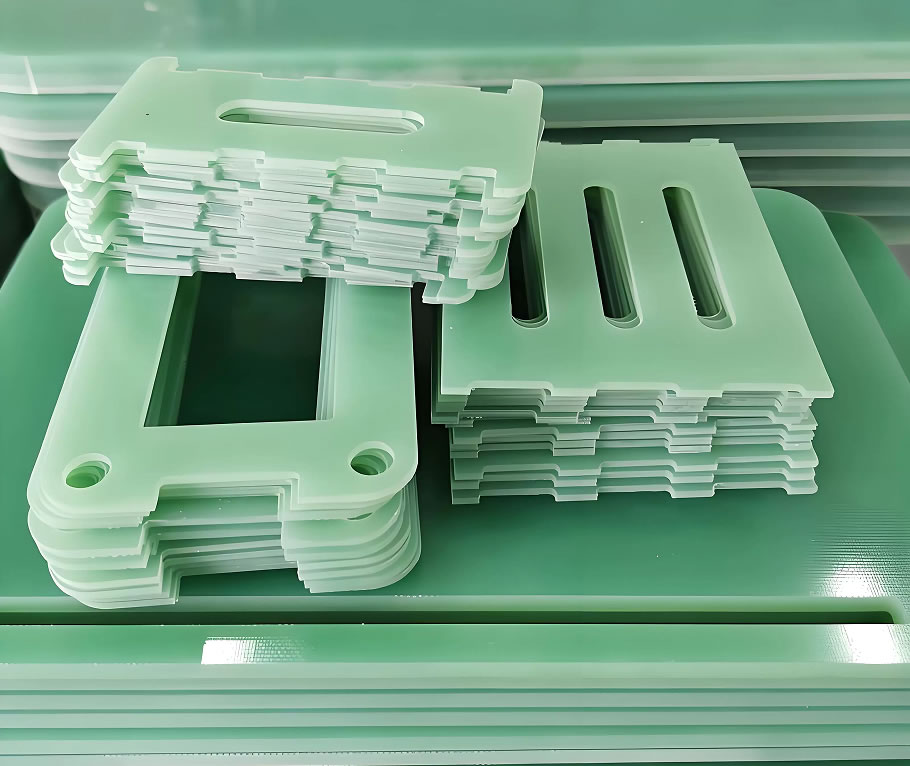
Based on current market conditions, FR4 epoxy fiberglass sheet prices may remain relatively volatile during the second half of 2026.
On one hand, the prices of epoxy resin and electronic-grade fiberglass will remain important variables affecting FR4 production costs.
On the other hand, continued growth in AI infrastructure, new energy vehicles, industrial electronics, and high-end PCB applications may support demand for high-performance electronic materials.
Market developments in 2026 have already shown several rounds of price adjustments across the FR4 and related laminate supply chains. Some suppliers have also shortened quotation validity periods in response to raw material price fluctuations.
Therefore, for long-term FR4 buyers, the market may increasingly demonstrate three characteristics:
High-level price volatility + specification-based price differences + raw-material-driven pricing.
Standard FR4 products may experience relatively moderate fluctuations, while high-Tg, halogen-free, high-temperature, and other specialty FR4 products may face greater cost pressure due to raw material availability and production capacity.
In response to fluctuations in FR4 epoxy fiberglass sheet prices, buyers can take several measures to control procurement costs.
For companies with stable FR4 consumption, establishing a three- to six-month purchasing forecast based on historical demand can help avoid concentrated purchasing during periods of rapid price increases.
Procurement teams should monitor not only FR4 supplier quotations but also:
Epoxy resin prices, electronic fiberglass prices, energy costs, and transportation costs.
These factors can provide early indications of changes in FR4 manufacturing costs.
Buyers are advised to obtain quotations from several qualified FR4 manufacturers while clearly specifying thickness, dimensional tolerance, flame-retardant requirements, thermal class, testing standards, and other technical parameters.
This ensures that supplier quotations can be compared on an equivalent basis.
For companies with stable annual demand, it may be possible to negotiate annual purchasing plans, scheduled deliveries, or partially fixed-price agreements with manufacturers.
These arrangements can help reduce the impact of short-term market fluctuations.
Although the cost of FR4 raw materials has changed significantly in 2026, FR4 epoxy fiberglass laminate remains an important basic material for electrical insulation and electronic applications.
With continued development in new energy vehicles, power equipment, industrial automation, electronic devices, data centers, and advanced manufacturing, demand for epoxy fiberglass laminate with excellent mechanical strength, electrical insulation, heat resistance, and dimensional stability is expected to remain solid.
Competition in the FR4 market is also gradually shifting from simple price competition toward product performance, quality consistency, delivery capability, technical support, and total procurement cost.
For FR4 buyers, instead of simply waiting for prices to decline, establishing a stable supplier network and optimizing inventory and purchasing cycles can help reduce the impact of price fluctuations on overall production costs.
Overall, FR4 epoxy sheet prices in 2026 remain influenced by both upstream raw material costs and downstream electrical and electronic demand. Although short-term price volatility is expected to continue, the long-term demand fundamentals for FR4 epoxy fiberglass laminate remain relatively strong.