 EN
EN  KR
KR  ES
ES  AR
AR 

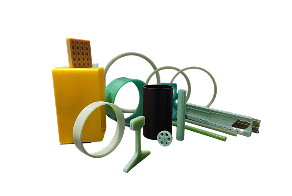
Insulating spacers in dry-type transformers are mainly used for coil support, positioning, electrical insulation, and cushioning. Therefore, the materials used for these components need to provide excellent mechanical strength, electrical insulation, thermal resistance, and dimensional stability.
Depending on the transformer’s capacity, operating temperature, and insulation class, different materials may be selected. The most commonly used materials include epoxy fiberglass laminate, SMC/BMC molding compounds, and silicone rubber.
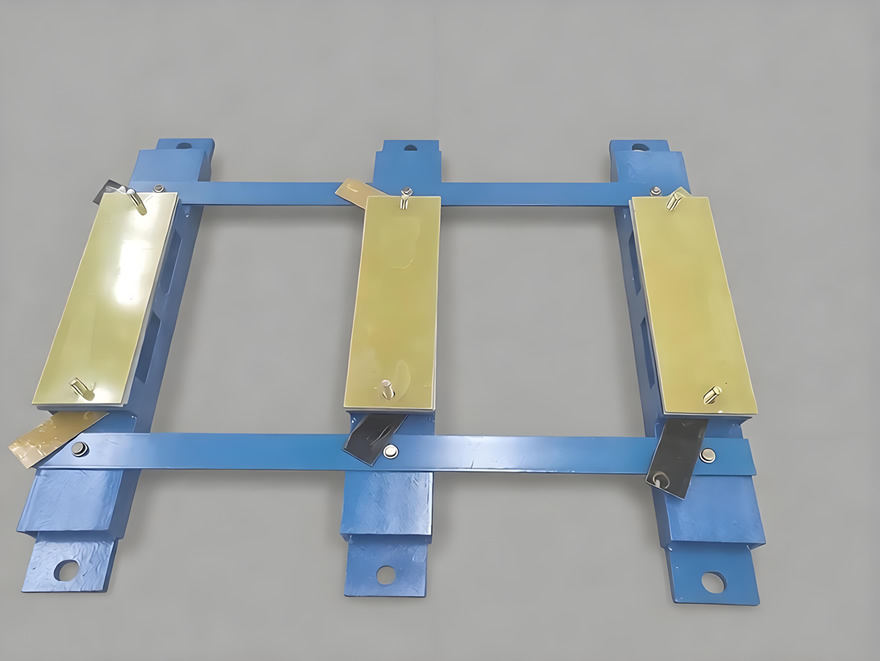
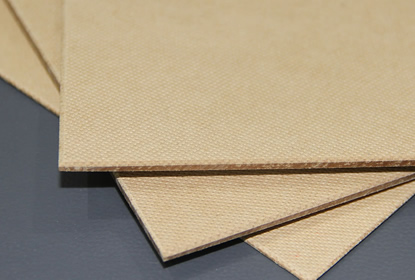
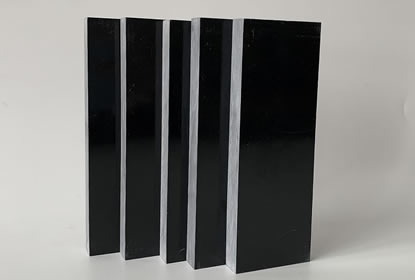
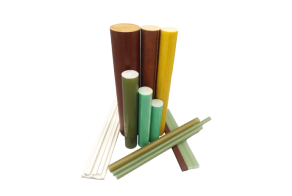
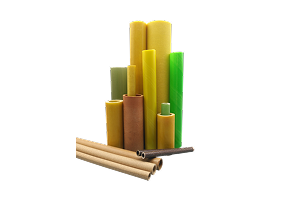
Epoxy fiberglass laminate is one of the most widely used materials for insulating spacers in dry-type transformers. Common grades include G10, G11, FR-4, and 3240 epoxy fiberglass sheets.
The material is manufactured by impregnating electrical-grade alkali-free fiberglass cloth with epoxy resin, followed by high-temperature and high-pressure lamination.
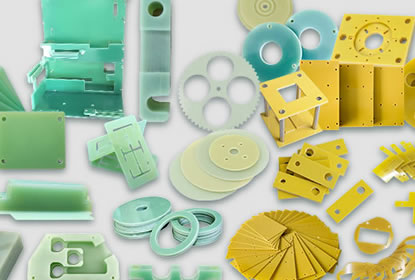
Epoxy fiberglass laminates are widely used in medium- and high-voltage dry-type transformers, cast-resin transformers, motors, and other electrical equipment for insulation support and spacer applications.
Materials such as G10 and G11 offer excellent mechanical strength and thermal resistance, making them suitable for applications requiring high load-bearing capability and elevated temperature resistance.
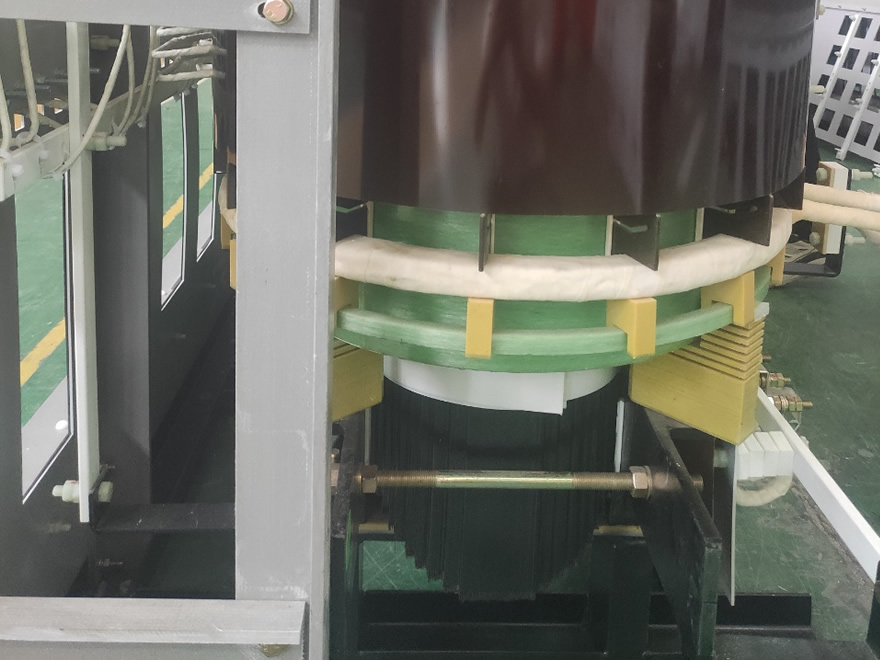
SMC (Sheet Molding Compound) and BMC (Bulk Molding Compound) are glass-fiber-reinforced thermosetting composite materials that are increasingly used in modern dry-type transformers.
They are generally made from unsaturated polyester resin, chopped glass fibers, mineral fillers, and various functional additives, and are cured through compression molding.
SMC/BMC materials are suitable for dry-type transformer insulating supports, spacers, and structural components that require complex geometries, high dimensional accuracy, and efficient mass production.
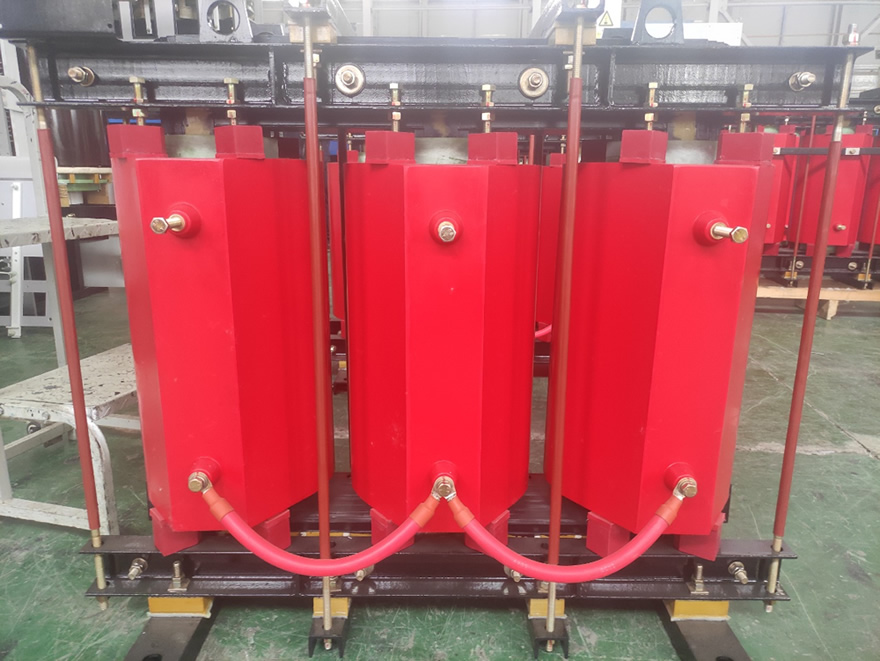
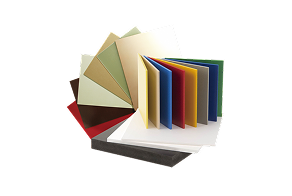
Silicone rubber materials are mainly used in some small- and medium-sized transformers or in insulation structures where cushioning, vibration damping, moisture resistance, and noise reduction are required.
Silicone rubber is mainly used in areas requiring flexible support, vibration damping, or cushioning. It can also be used together with rigid insulating materials to form composite support structures.
Important Note: The stiffness and load-bearing capacity of silicone rubber are generally lower than those of epoxy fiberglass laminates. Therefore, in large-capacity and heavily loaded dry-type transformers, conventional silicone rubber is generally not used alone as the primary load-bearing spacer material.
Material selection should not be based solely on electrical insulation performance. Factors such as temperature class, mechanical load, operating voltage, creepage distance, environmental humidity, manufacturing method, and cost should also be considered.
In general:
Therefore, there is no single “best” material suitable for all dry-type transformer insulating spacer applications. The material should be selected based on a comprehensive evaluation of the transformer capacity, insulation class, temperature-rise requirements, mechanical load, and specific structural design.