
 EN
EN  KR
KR  ES
ES  AR
AR 

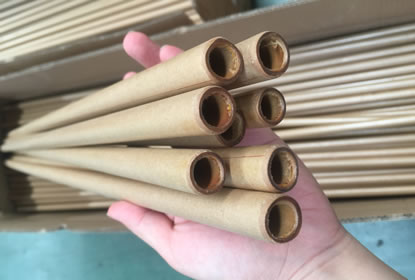
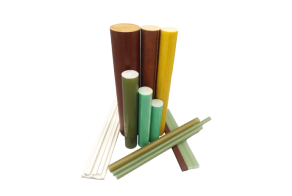
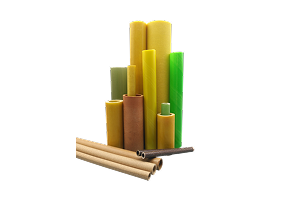
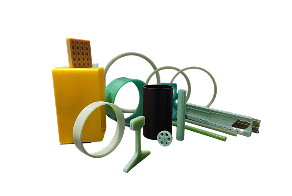
Fiberglass tubes, including epoxy fiberglass wound tubes and unsaturated polyester fiberglass tubes, are used as electrical insulation and structural support components in transformers. They can serve as insulation cylinders or insulating sleeves between the transformer core and copper windings, depending on the transformer design.
The tube is fitted around the transformer core limbs, with the copper windings arranged around the outside. It provides an insulating barrier between the grounded core and the windings, helping prevent dielectric breakdown and electrical discharge.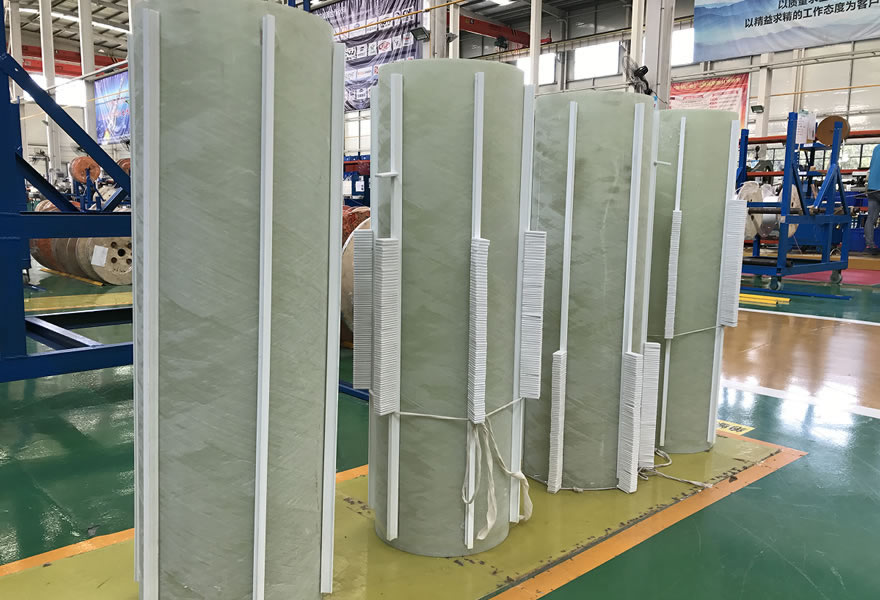
epoxy fiberglass wound tubes
During transformer operation, the copper windings operate at different electrical potentials, while the core is typically grounded. Fiberglass wound tubes provide electrical insulation between the core and windings. With appropriate dielectric strength and voltage resistance, they help withstand operating voltages and transient overvoltages, reducing the risk of insulation failure.
During normal operation and external short-circuit events, transformer windings are subjected to axial and radial electrodynamic forces. Epoxy fiberglass wound tubes offer high mechanical strength, including tensile, flexural, and compressive resistance. They help support and stabilize the windings, reducing the risk of deformation or displacement.
Transformer windings generate heat during operation. Depending on the resin system and manufacturing process, fiberglass wound tubes can provide suitable thermal resistance for demanding insulation applications. They can also serve as structural elements for forming air or transformer oil circulation ducts, helping improve heat dissipation between insulation layers.
| Performance Dimension | Key Characteristics | Benefits for Transformers |
|---|---|---|
| Electrical Properties | High dielectric strength, low dielectric loss, and suitable resistance to electrical tracking | Helps prevent electrical breakdown between the core and windings and supports reliable insulation performance. |
| Mechanical Properties | High mechanical strength, compressive resistance, and dimensional stability | Helps maintain winding stability under mechanical stress, including forces generated during short-circuit events. |
| Thermal and Chemical Properties | Thermal resistance and compatibility with transformer oil, depending on the material formulation | Supports long-term operation under the specified thermal and environmental conditions of the transformer. |
Fiberglass wound tubes can be used as insulation cylinders, winding support sleeves, and structural insulation components in dry-type transformers, including cast resin transformers. Their electrical insulation and mechanical support properties help maintain winding stability and insulation reliability.
In oil-immersed transformers, suitable fiberglass wound tubes can be used as insulating cylinders and structural support components. Material selection should consider dielectric requirements, mechanical loads, operating temperature, and compatibility with transformer oil.
Fiberglass wound tubes are also used in specialized transformers and reactors, including rectifier transformers, furnace transformers, and high-frequency reactors. Depending on the design requirements, they provide electrical insulation and mechanical support under demanding operating conditions.
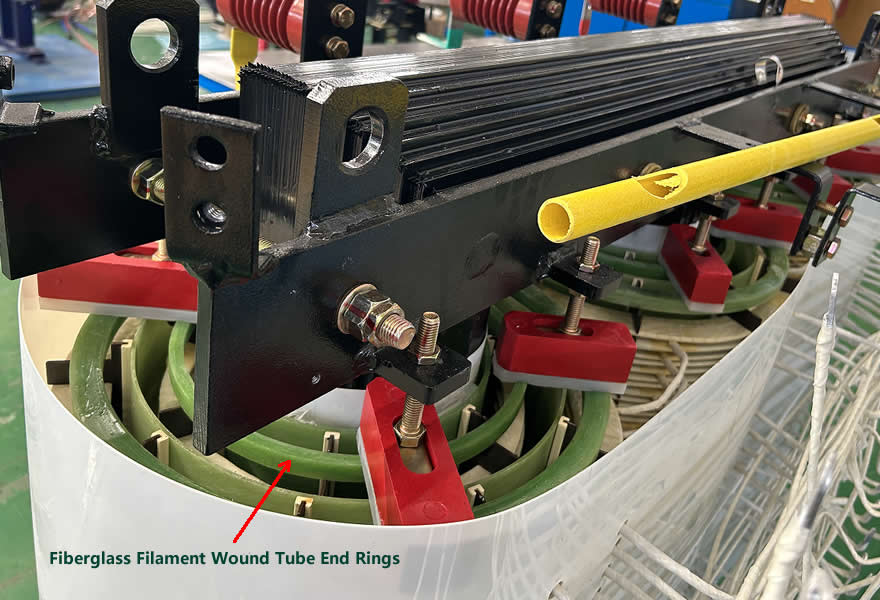
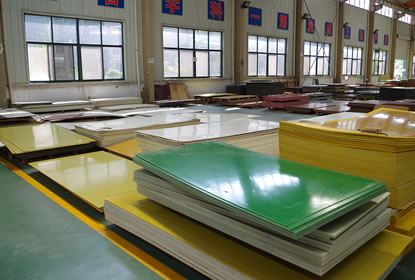
ZTelec Group specializes in the manufacturing and supply of electrical insulation materials for transformers, electric motors, generators, and other electrical equipment. Based on customer-provided drawings, dimensions, and specific application requirements, we offer fiberglass wound tubes and custom-machined insulation components tailored to your needs.
To help us recommend the most suitable materials and specifications, please provide the required inner diameter (ID), outer diameter (OD), length, wall thickness, operating voltage, temperature resistance requirements, and specific application.
Contact us for technical consultation, product specifications, and sample testing arrangements.