 EN
EN  KR
KR  ES
ES  AR
AR 

In the realm of electrical insulation and mechanical structural components, paper-based Bakelite has cemented its status as an indispensable industrial material, thanks to its long-standing history and well-balanced performance. As a phenolic laminated paper sheet, it remains one of the most widely used and highest-volume industrial laminates globally. This article provides an in-depth analysis of this classic material’s characteristics, selection criteria, and diverse applications, drawing upon professional manufacturing insights.
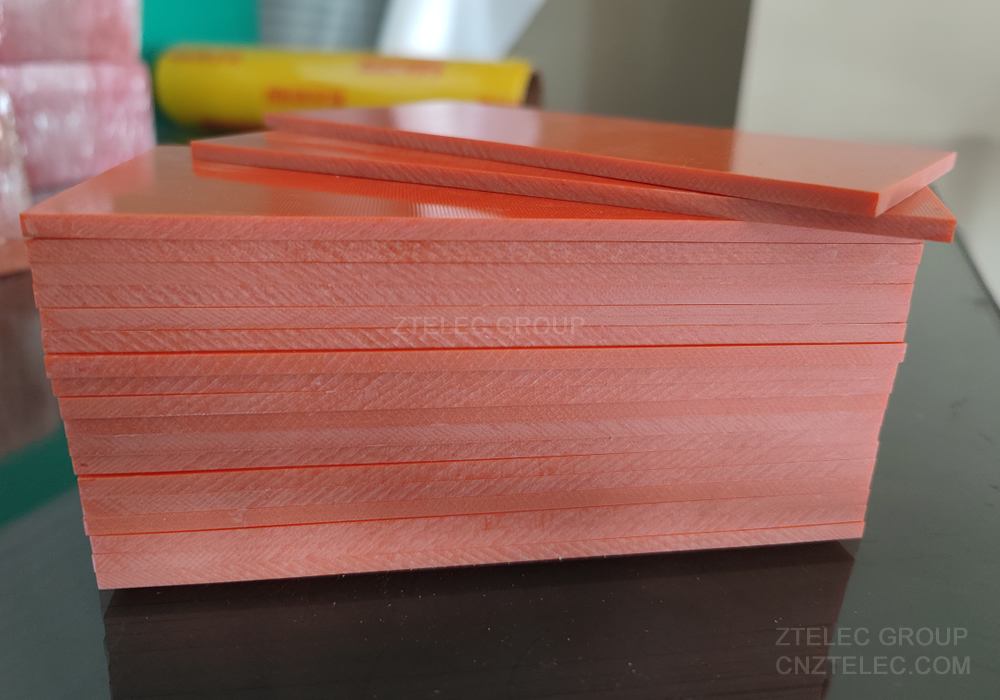
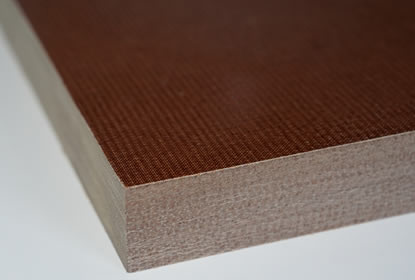
Paper-based Bakelite, also known as a phenolic paper laminate, is a thermosetting laminated sheet. It is manufactured by using phenolic resin as a binder and bleached wood pulp paper as a reinforcing substrate. The process involves impregnating the paper with resin, layering the sheets, and then consolidating them under high temperature and pressure to form a rigid, monolithic panel.
This material inherits the core attributes of thermosetting plastics—it becomes irreversibly rigid after molding. Consequently, it exhibits outstanding properties, including low moisture absorption, excellent electrical non-conductivity, high heat resistance, and superior mechanical strength. Its most significant advantage lies in the combination of excellent electrical insulation and good machinability, allowing it to function both as a safe insulating component and as a precision-machined structural part.
Understanding the key performance parameters is fundamental for a technically sound material selection. Based on data from leading industry suppliers, the critical specifications for paper-based Bakelite are as follows:
| Parameter | Specification / Value |
|---|---|
| Material Composition | Phenolic resin with a paper-based substrate, consolidated via heat and pressure. |
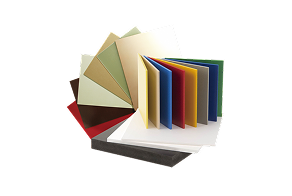
| Standard Colors | Orange (most common standard) and Black. |
| Thermal Resistance | Continuous operating temperature up to 120°C (248°F). |
| Thickness Range | Wide range from 0.5mm to 50mm; typically classified as thin (0.5-1.5mm), medium (2-10mm), and thick (10-50mm) sheets. |
| Standard Sheet Size | Common dimensions: 1020×1020mm and 1020×1220mm; custom cutting is available. |
| Chemical Resistance | Good resistance to acids, alkalis, and common solvents. |
| Mechanical Properties | Approximate specific gravity of 1.45 g/cm³; flexural strength (perpendicular to laminations) can exceed 120 MPa, demonstrating excellent mechanical strength and dimensional stability. |
In practical procurement, selecting the appropriate material is not a one-size-fits-all decision. It requires a comprehensive assessment based on the specific application, manufacturing process, and performance requirements.
1. Selecting by Thickness and Application
The thickness of the paper-based Bakelite sheet directly determines its suitable processing method and end-use.
| Thickness Range | Common Applications | Typical Processing Methods |
|---|---|---|
| 0.5 ~ 1.5mm (Thin) | Insulating washers, spacers, switch partitions, lamp socket parts. | Stamping, die-cutting. |
| 2 ~ 10mm (Medium) | Switchboard panels, testing jigs, equipment base plates. | Milling, drilling, sawing. |
| 10 ~ 50mm (Thick) | Mold insulation plates, large-scale jigs, load-bearing structural parts. | Turning (lathe), milling, grinding. |
2. Upgrading Selection Based on Performance Requirements
For Higher Mechanical Strength: If the application involves significant impact or vibration, consider upgrading to fabric-based Bakelite (cotton fabric substrate), which offers superior toughness and impact resistance, albeit at a higher cost.
For Anti-Static Needs: In electronics assembly environments where static discharge can damage sensitive components, it is imperative to select anti-static Bakelite.
For Flame Retardancy: Standard paper-based Bakelite typically has a UL94 HB flammability rating. Applications requiring higher fire safety must specify a flame-retardant grade (e.g., FR-2 or UL94 V-0) product.
3. Verifying Core Performance Indicators
Procurement professionals should always confirm critical metrics, including dielectric strength (insulation performance), continuous operating temperature, machining quality (resistance to edge chipping and delamination), and moisture resistance to ensure the material meets the long-term reliability requirements of the equipment.
Owing to its superior cost-performance ratio, paper-based Bakelite finds widespread use across multiple industrial sectors:
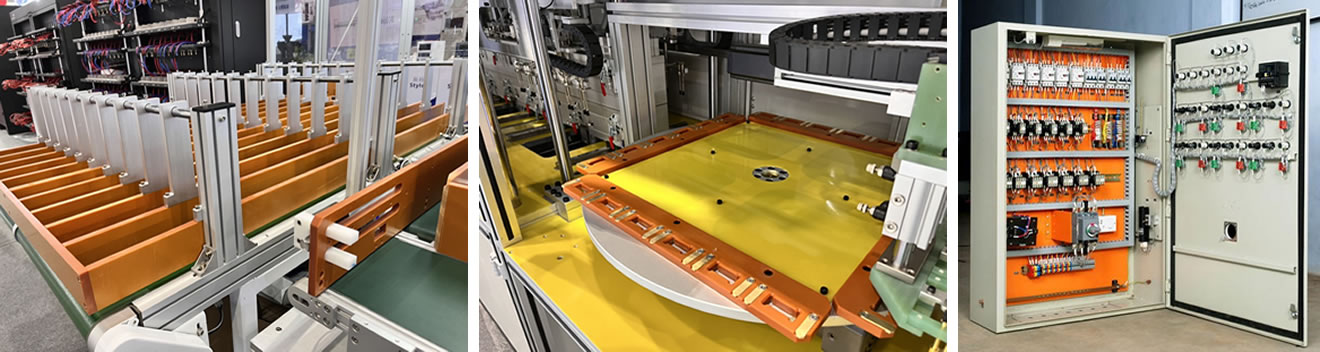
Electronics and Electrical Industry: Used to manufacture insulating switches, variable resistors, switchboards, insulating barriers, and as structural insulating components even within oil-filled transformers.
Machinery and Jig Manufacturing: Extensively applied in ICT/ATE testing jigs, PCB drilling backup boards, mold clamping plates, silicone rubber keypad molds, and lapping plates.
Industrial Equipment: Commonly serves as wear-resistant shims, machine bed plates, and components for packaging machinery.
If you are looking for Bakelite Sheets (Phenolic Laminated Sheets), Contact Ztelec Group,we are a professional manufacturer of electrical insulation materials with more than 65 years of manufacturing experience.
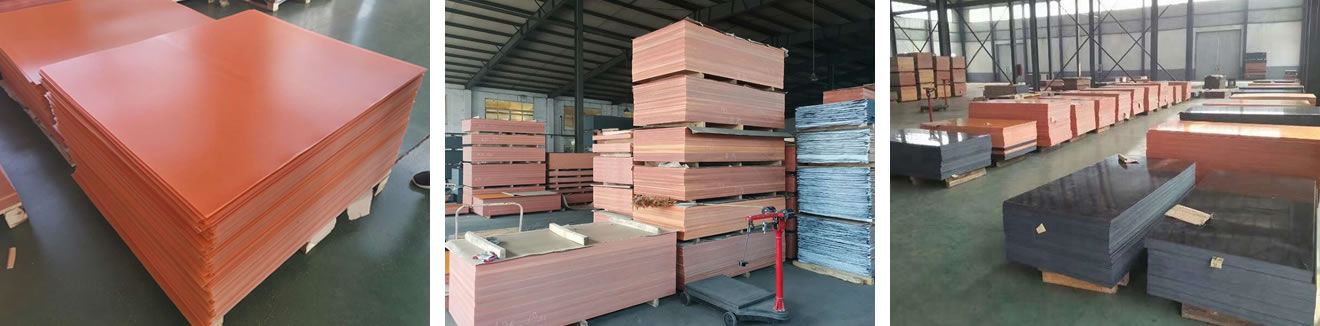
Simply provide us with your required Bakelite Sheet specifications, thickness, dimensions, and intended application. Our technical and sales team will recommend the most suitable material and provide you with detailed product information, technical specifications, and a competitive quotation.
Free samples are also available upon request for product evaluation and testing.