
 EN
 KR
 ES
 AR


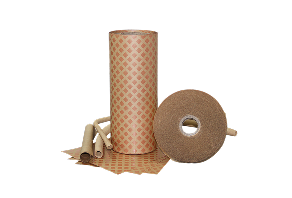
Diamond Dotted Paper (DDP) is an advanced electrical insulation material made by coating specially modified epoxy resin onto high-performance electrical insulating paper, such as high-purity electrical cable paper, in a diamond-shaped pattern. DDP plays an important role in the manufacturing of oil-immersed transformers.
This guide explains the key selection criteria, technical specifications, and processing requirements to help transformer designers and manufacturers choose the right DDP insulation paper for their applications.
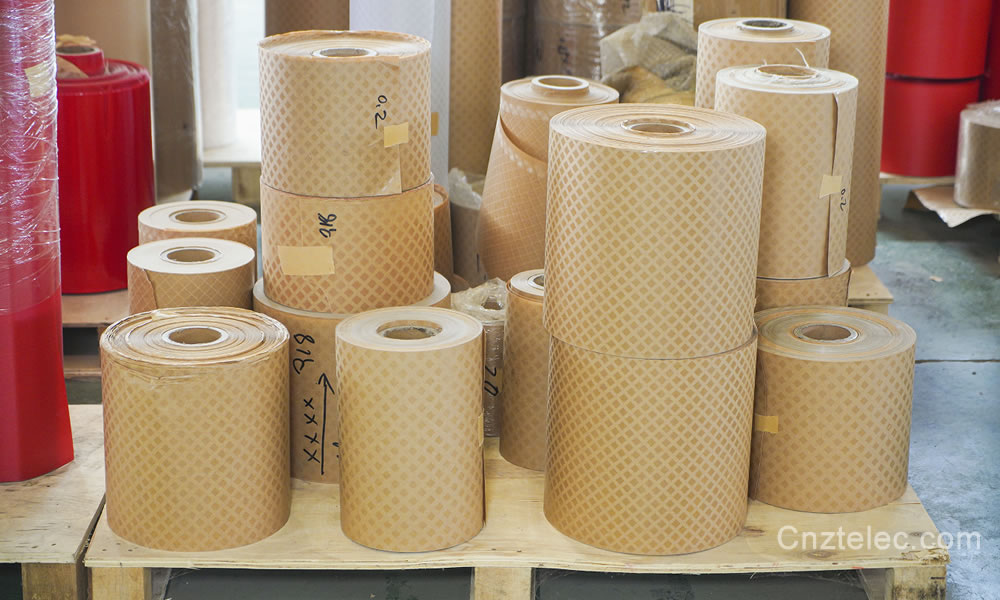
When selecting DDP, we recommend following this sequence:
Electrical design (paper thickness) → Mechanical requirements (resin coating weight and pattern) → Process compatibility (heating and curing) → Material compatibility.
The thickness of DDP directly affects the insulation margin between turns and layers, as well as the space occupied within the transformer winding window.
Common thicknesses: 0.05 mm, 0.08 mm, 0.10 mm, 0.13 mm, 0.18 mm, and 0.25 mm.
Selection guidelines:
The final thickness should be determined based on the transformer’s electrical design, winding structure, and applicable technical specifications.
The resin coating weight directly influences the bonding strength after curing and the oil impregnation characteristics of the insulation system.
| Coating Grade | Typical Coating Weight (Per Side) | Applications and Characteristics |
|---|---|---|
| Standard Coating | Approximately 4–6 g/m² | Suitable for general-purpose distribution and small power transformers, balancing bonding performance with oil impregnation. |
| Higher Coating Weight | Approximately 6–9 g/m² | For applications requiring enhanced short-circuit withstand capability and greater winding integrity, subject to validation of the overall insulation design. |
Selection considerations:
A higher resin coating weight does not necessarily mean better performance. Excessive resin may flow out during heating and curing, potentially obstructing oil ducts, reducing heat dissipation, or causing defects in the insulation structure.
Insufficient resin, on the other hand, may result in inadequate bonding strength after curing, increasing the risk of winding displacement or deformation under short-circuit electrodynamic forces.
The optimal coating weight should balance bonding strength, oil impregnation, heat dissipation, and the transformer’s short-circuit withstand requirements.
The B-stage modified epoxy resin used in DDP has a specific temperature-time curing profile. The required conditions may vary depending on the manufacturer and resin formulation.
Typical curing process reference:
Selection guidelines:
Before selecting DDP, confirm that the temperature control accuracy, heating rate, and operating conditions of your vacuum drying oven or curing chamber are compatible with the supplier’s recommended curing schedule.
Insufficient curing may result in inadequate bonding, while excessive heating may accelerate paper aging or negatively affect insulation performance.
Important: The temperatures and holding times above are general reference values, not universal processing requirements. Always follow the specific DDP manufacturer’s technical data sheet and validate the curing process under actual production conditions.
DDP must withstand the tension applied during winding while maintaining reliable insulation performance throughout the transformer’s service life.
Key parameters to evaluate:
As preliminary procurement targets, the following values may be considered, subject to the applicable product specification:
These values should be verified against the supplier’s test reports and the relevant material standards. Low ionic contamination and good compatibility with transformer oil are important for minimizing the risk of insulation degradation and partial discharge (PD).
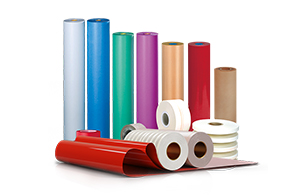
Xujue Electrical, a company under ZTelec Group, specializes in manufacturing DDP insulation paper for oil-immersed transformers. We supply both full-width rolls and slit DDP paper to meet different transformer manufacturing and winding requirements.
| Parameter | Available Specifications |
|---|---|
| Regular Width | 1,000–1,330 mm; customized slitting available |
| Thickness | 0.05 mm, 0.075 mm, 0.08 mm, 0.125 mm, 0.13 mm, 0.18 mm, and 0.25 mm |
| Roll Diameter | 250–300 mm |
| Weight per Roll | Approximately 45–60 kg |
Specifications may vary depending on the product configuration and manufacturing requirements. Please contact us to confirm availability for your application.
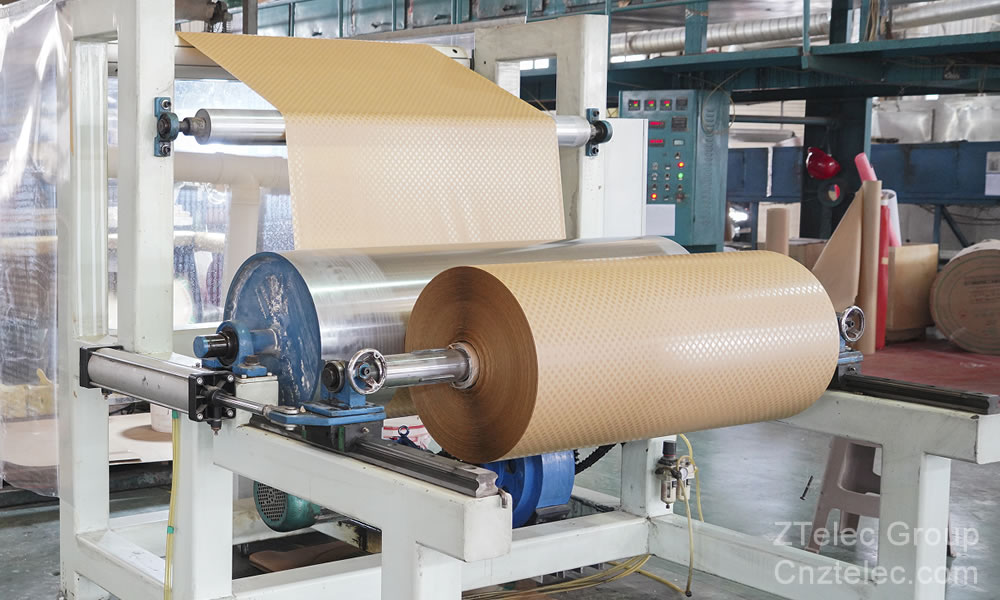
If you are looking for a reliable DDP insulation paper supplier for oil-immersed transformers, Xujue Electrical can help you identify a suitable material solution based on your technical and production requirements.
To help us recommend the right DDP product, please provide the following information:
Our team will evaluate your requirements and recommend a suitable DDP insulation paper solution for your transformer manufacturing process.
Contact us today to discuss your DDP specifications and request a quotation.