G11 vs. FR4 vs. G10 Epoxy Sheets: Industry Guide Clarifies Core Differences
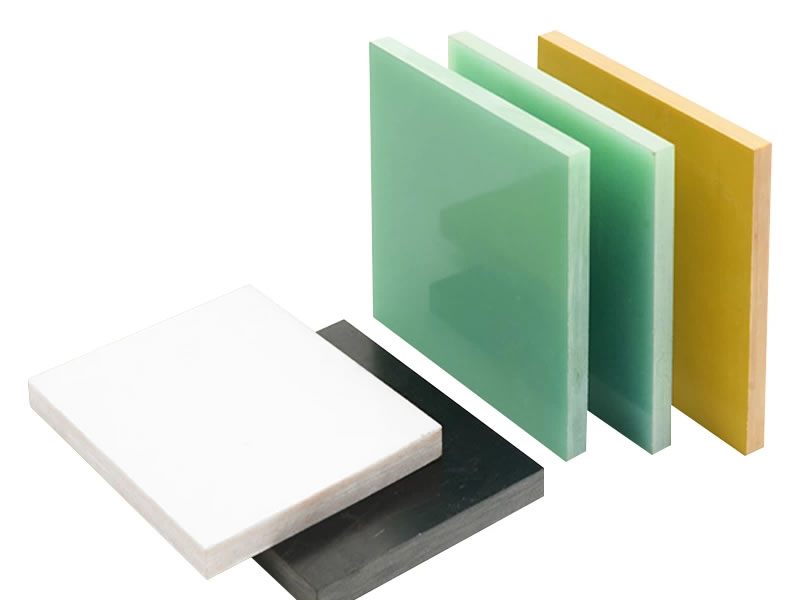
As modern electrical systems demand higher power densities and operate under increasingly harsh environments, selecting the right insulation material has become a critical factor in preventing equipment failure. To assist design engineers and procurement managers in making informed decisions, ZTelec Group a leading innovator in industrial electrical insulation solutions, has released a comprehensive technical guide clarifying the core differences between three widely used fiberglass-reinforced epoxy laminates: G11, FR4, and G10.
While all three materials share a baseline composition of woven fiberglass cloth impregnated with epoxy resin, their performance profiles diverge significantly under thermal and mechanical stress. Misselection can lead to catastrophic insulation breakdown, premature component wear, or unnecessary manufacturing costs.
The Thermal Divide: Class B vs. Class F Insulation
The most critical differentiator among these laminates is their operating temperature threshold. Both G10 and standard FR4 are rated for Class B insulation (up to 130°C). In contrast, G11 is engineered to withstand Class F thermal environments (up to 155°C). This 25°C variance makes G11 the industry standard for next-generation heavy-duty electric motors, traction generators, and dry-type power transformers.
Hot Mechanical Strength: G11’s Performance Edge
Beyond static temperature limits, a material’s behavior under simultaneous thermal and structural loads is paramount.
The G11 Advantage: At an elevated testing temperature of 150°C, G11 retains over 50% of its room-temperature flexural (bending) strength. This exceptional structural retention prevents creeping, warping, and mechanical degradation in dynamic machinery.
FR4 and G10 Limits: Under the same 150°C conditions, the resin matrices of G10 and FR4 soften considerably, leading to a severe drop in mechanical integrity, making them unsuitable for high-stress hot zones.
Flame Retardancy: Understanding the “FR” Designation
Flame safety requirements introduce another layer of selection criteria.
FR4 (Flame Retardant 4) features built-in bromine or specialized halogen-free flame retardants, allowing it to naturally achieve a UL94 V-0 rating. It remains the gold standard for electronics, switchgear barriers, and printed circuit board (PCB) substrates.
G10 and Standard G11 focus strictly on physical and dielectric properties and do not inherently resist fire. However, for high-temperature applications that also demand fire suppression, manufacturers now offer G11-FR, a specialized hybrid grade blending Class F heat resistance with UL94 V-0 flame retardancy.
Selection Recommendations for Engineering Teams
To optimize performance and cost-efficiency, engineering teams should align material selection with the following application baselines:
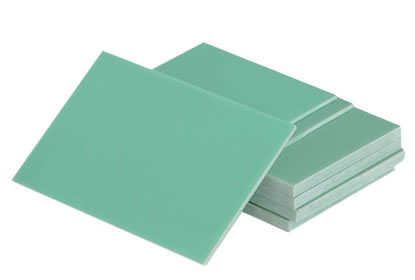
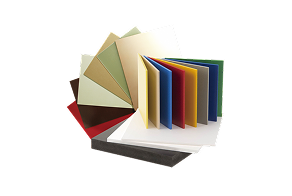
Select G10 epoxy sheet for general-purpose mechanical components, precise structural spacers, and cryogenic applications where flame retardancy is not a requirement.
Select FR4 epoxy sheet for electrical enclosures, arc shields, PCB substrates, and automated industrial machinery operating below 130°C where certified fire safety is mandatory.
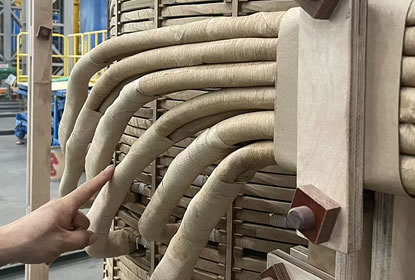
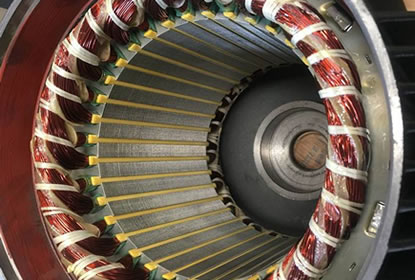
Select G11 epoxy sheet for heavy-duty power transformers, motor slot wedges, generator rotor insulation, and any environment where the material must endure mechanical stress at temperatures exceeding 130°C.
Choosing between G11, FR4, and G10 is no longer just about cost; it is about system reliability and long-term safety, By understanding these core variances in thermal retention and flame behavior, engineers can build more resilient systems, reduce downtime, and significantly extend the lifecycle of high-voltage assets.
About Ztelec Group
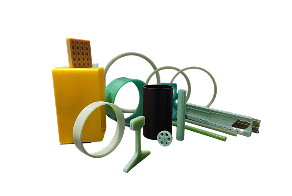
Ztelec Group is a premier manufacturer and supplier of advanced electrical insulation materials, serving global industries across power generation, automotive, electronics, and aerospace. Committed to strict international quality baselines, the company provides custom fabrication, precision slitting, and tailored technical solutions compliant with IEC, NEMA, and GB standards.

 EN
EN  KR
KR  ES
ES  AR
AR