
 EN
 KR
 ES
 AR


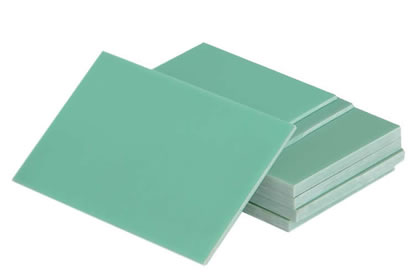
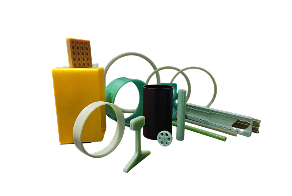
GPO-3 sheet (unsaturated GPO3 polyester glass mat laminate), internationally designated as UPGM 203, is an important electrical insulation and structural material used in air circuit breakers (ACBs). ACBs typically carry high currents ranging from several hundred amperes to several thousand amperes. During circuit interruption, they must withstand intense electrical arcs and electrodynamic forces. As a result, GPO-3 materials used in ACBs must provide excellent electrical insulation, arc resistance, mechanical strength, and dimensional stability.

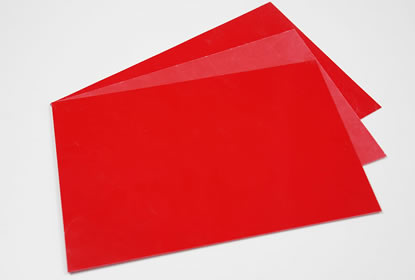
GPO-3 sheet
Within the overall structure of an air circuit breaker, GPO-3 is commonly used for critical insulation and support components exposed to high voltages, electrical arcs, or significant mechanical stress.
Installed between the main contacts and busbars of different phases (A, B, and C), these barriers help prevent hot arcs, ionized gases, and conductive particles from spreading between phases during high-current interruption. They reduce the risk of phase-to-phase short circuits and related electrical faults.
The arc extinguishing system of an ACB can be exposed to extremely high temperatures during the interruption of large currents. GPO-3 may be used for suitable external insulating panels, side plates, and supporting components around the arc chute, where resistance to arc exposure and hot gas flow is required.
In drawout-type ACBs, safety shutters help isolate the energized stationary contacts when the breaker body is withdrawn from its guide frame. GPO-3 can be used for shutter components where the material meets the required electrical, mechanical, and thermal specifications, helping protect maintenance personnel from accidental contact with live parts.
GPO-3 can be machined into insulating supports, mechanism mounting plates, base spacers, and other structural components. These parts provide electrical insulation while maintaining mechanical integrity under the forces and vibrations associated with breaker closing and interruption operations.
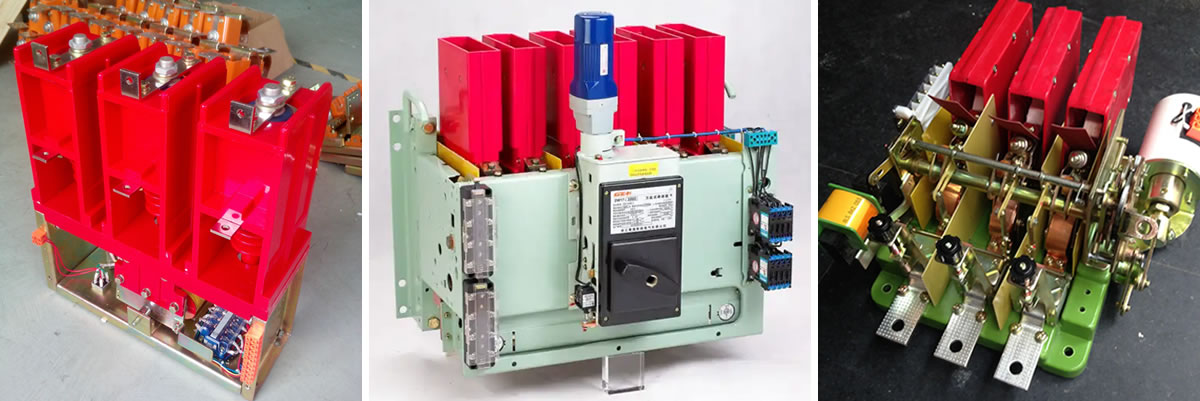
GPO-3 offers good resistance to electrical arc erosion. Certain grades can achieve an arc resistance time exceeding 180 seconds under specified test conditions. This property helps reduce surface damage and the formation of conductive carbonized paths when the material is exposed to electrical arcs.
Reinforced with glass fiber mat, GPO-3 provides good rigidity, flexural strength, and impact resistance. It can be machined into complex insulating components using cutting, punching, drilling, milling, and other fabrication processes, subject to the grade and component design.
Selected GPO-3 grades can meet the UL 94 V-0 flammability classification. Their heat resistance and electrical insulation properties make them suitable for demanding low-voltage power distribution environments, provided the selected grade meets the application’s operating temperature and certification requirements.
As the main switching devices in many low-voltage power distribution systems, ACBs require insulation materials that meet stringent electrical safety and mechanical reliability requirements. Material selection should consider the following four key parameters rather than price alone.
Recommended selection criteria:
Selection considerations:
During frequent switching operations or short-circuit interruption, electrical arcs and contaminated particles can damage insulating surfaces. High arc resistance helps the material withstand arc exposure, while a high CTI value indicates better resistance to the formation of conductive tracking paths under specified test conditions.
These properties can help improve insulation reliability and reduce the risk of surface tracking and electrical breakdown. Actual performance depends on the material grade, test method, operating environment, and circuit breaker design.
Recommended selection criteria:
Selection considerations:
If abnormal overheating or an electrical fault occurs, insulating materials should help limit the spread of fire. A material classified as UL 94 V-0 meets specific vertical-burning test criteria, including requirements for self-extinguishing behavior and burning droplets.
For applications inside enclosed switchgear, low-smoke and halogen-free materials may also be preferred to reduce smoke-related contamination and corrosive gas emissions during a fire. These characteristics should be verified separately, as UL 94 V-0 classification alone does not establish low-smoke performance or halogen-free status.
Recommended selection criteria:
Selection considerations:
During spring-operated closing and short-circuit interruption, ACB components may experience substantial mechanical loads and electrodynamic forces. An insulating material with inadequate strength or toughness may crack, chip, or deform under these conditions.
GPO-3 is reinforced with glass fiber mat, providing a combination of mechanical strength and impact resistance. It can also be fabricated into complex parts through punching, drilling, milling, and other machining operations.
The specified strength values should be confirmed against the manufacturer’s technical data sheet, including the test method, specimen orientation, and material thickness, before final selection.
Recommended selection criteria:
Selection considerations:
High-current operation can cause sustained temperature increases inside an ACB. The selected GPO-3 material should maintain its mechanical integrity, electrical insulation properties, and dimensional stability throughout the expected service life.
Appropriate thermal performance helps prevent excessive deformation, insulation degradation, and changes in component fit or clearance. Material selection should therefore be based on the manufacturer’s certified thermal data, actual operating conditions, and the requirements of the circuit breaker design.
GPO-3 is a valuable glass-fiber-reinforced insulating material for air circuit breakers, particularly in applications requiring a combination of electrical insulation, arc resistance, flame retardancy, and mechanical strength.
For ACB manufacturers and electrical equipment engineers, selecting the appropriate GPO-3 grade requires verification of arc resistance, CTI, flammability classification, mechanical properties, and thermal performance. These parameters should be evaluated against the specific component requirements and the applicable product standards to ensure reliable operation and long-term electrical safety.