 EN
EN  KR
KR  ES
ES  AR
AR 

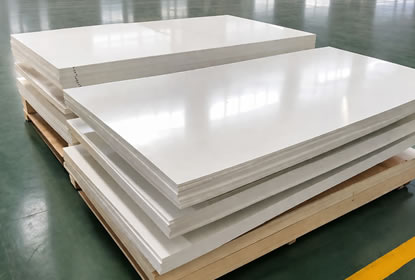
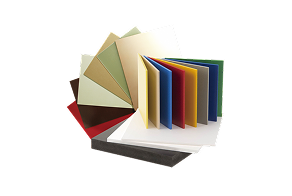
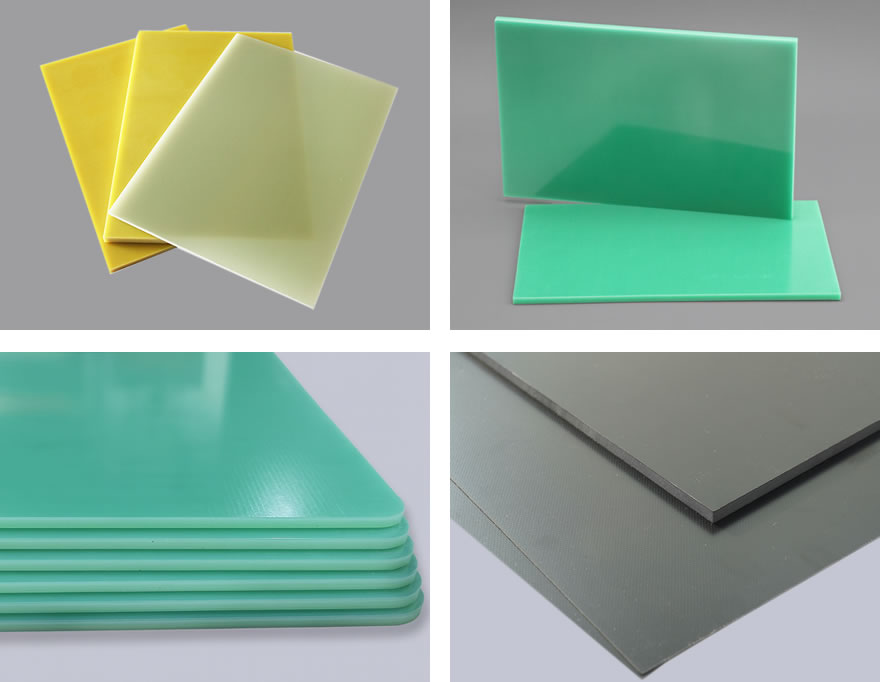
G10 epoxy sheet, also known as glass-fiber reinforced epoxy laminate,is mainly used in applications where high mechanical strength, electrical insulation,dimensional stability, and moisture resistance are required.
| Industry | Typical Applications |
|---|---|
| Transformers | Insulation spacers, support plates, clamping parts, barriers, and structural insulation components |
| Motors & Generators | Slot insulation components, wedges, spacers, end supports, and retaining or structural insulation parts |
| Switchgear | Insulating plates, barriers, supports, and busbar insulation components |
| Electrical Equipment | Insulating washers, brackets, terminal supports, mounting plates, and structural insulation parts |
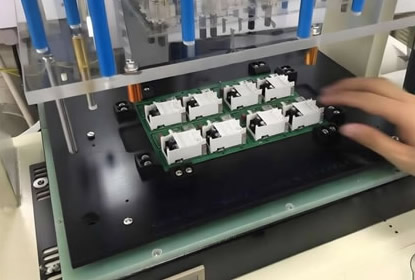
| Electronics | Insulating components, test fixtures, precision jigs, and electronic equipment structural parts |
| Railway | Electrical insulation components and structural parts |
| Automotive / EV | Electrical separators, insulating supports, bushings, and other lightweight structural insulation parts |
| Industrial Machinery | Wear-resistant plates, mechanical components, guides, spacers, and fixtures |
| Aerospace | Lightweight structural insulation components and electrical insulation parts |
| Semiconductor Equipment | Precision fixtures, insulating parts, and equipment components |
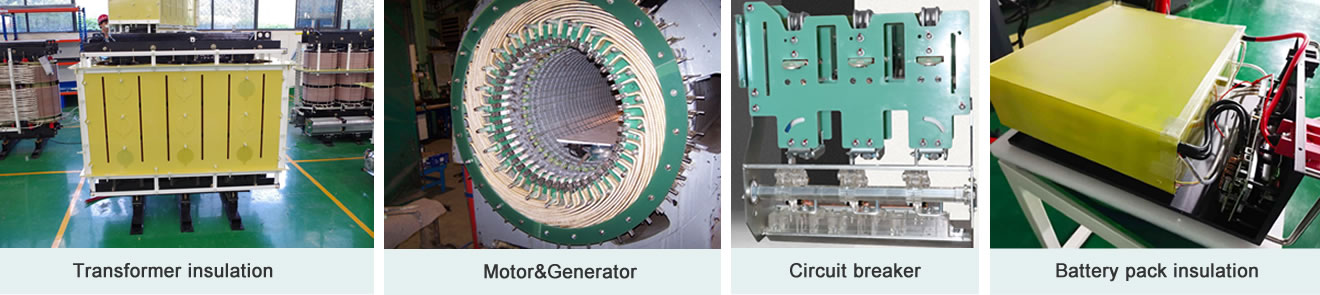
G10 epoxy sheet is particularly useful for electrical equipment manufacturers because it combines good electrical insulation properties with relatively high mechanical strength.
It can be used in generators, motors, transformers, circuit breakers, switchboards, and other electrical insulation applications.
G10 epoxy sheet can also be machined into customized insulation components according to customer drawings and application requirements, including spacers, brackets, support plates,
insulating washers, barriers, and other precision insulation parts.
G10 epoxy sheet and FR4 epoxy fiberglass sheet are both glass fiber reinforced epoxy laminate sheets. They have similar appearances and offer excellent mechanical strength, electrical insulation, dimensional stability, and moisture resistance. However, the main difference is their flame-retardant performance and typical applications.
| Comparison | G10 | FR4 |
|---|---|---|
| Material | Glass fiber reinforced epoxy laminate | Glass fiber reinforced flame-retardant epoxy laminate |
| Resin System | Epoxy resin | Flame-retardant epoxy resin |
| Flame Retardancy | Generally not the primary requirement | Excellent flame-retardant performance |
| UL 94 | Usually not specified as V-0 | Commonly available in UL94 V-0 grades |
| Temperature Resistance | Typically around 130–155°C, depending on grade | Typically around 130–155°C, depending on grade |
| Electrical Insulation | Excellent | Excellent |
| Mechanical Strength | High | High |
| Dimensional Stability | Excellent | Excellent |
| Moisture Resistance | Good | Good |
| Cost | Generally lower | Generally slightly higher |
| Typical Applications | Insulating spacers, support plates, structural insulation parts | Electrical insulation, PCB applications, switchgear, transformers and other electrical equipment |