 EN
EN  KR
KR  ES
ES  AR
AR 

Electrical insulation is an essential part of every electric motor. It separates conductive components, protects windings from electrical and thermal stress, and helps ensure the reliable operation and service life of the motor. However, different types of electric motors operate under different conditions, so their insulation systems also vary.
Factors such as voltage level, temperature, rotational speed, operating frequency, power density, winding structure, and application environment all influence the selection of motor insulation materials.
For motor manufacturers, selecting the appropriate combination of insulation materials is therefore important for achieving reliable electrical performance, thermal stability, and long-term service life.
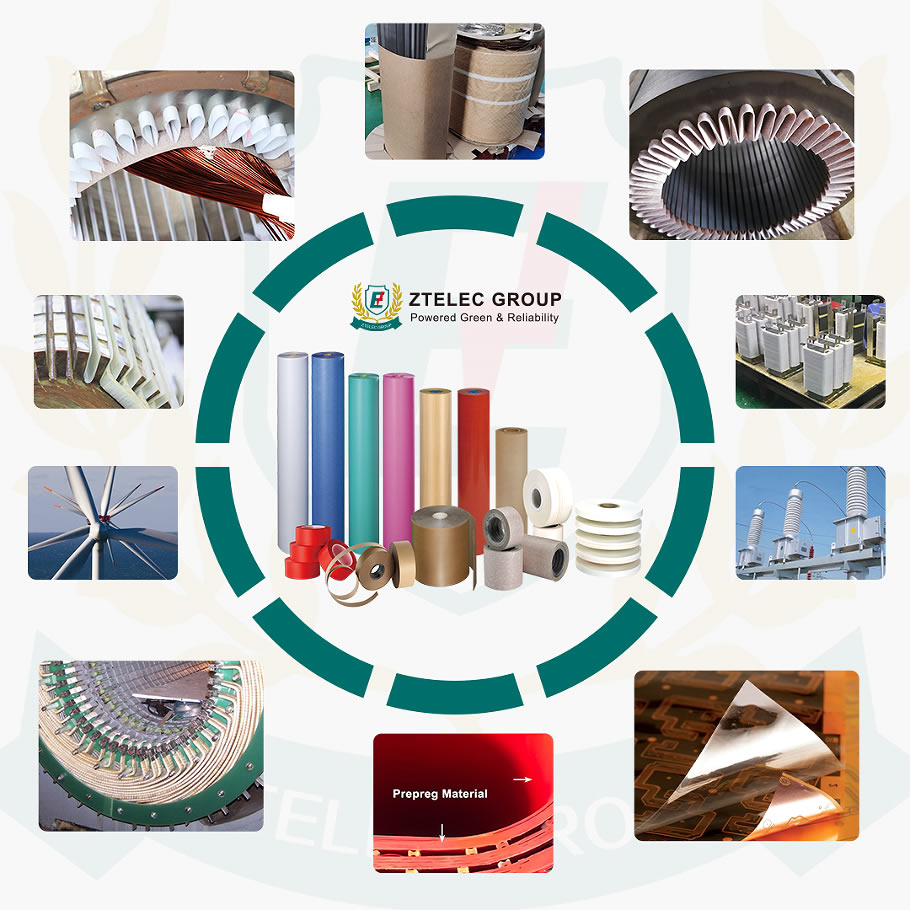
Low-voltage three-phase induction motors are widely used in industrial equipment, pumps, fans, compressors, conveyors, and other machinery. Their insulation systems commonly use flexible electrical insulation materials to protect the stator windings.
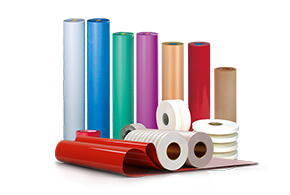
Common materials include DMD insulation paper, NMN, NHN, PET film, PI film, and fiberglass insulation materials.
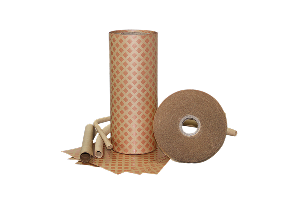
DMD insulation paper is widely used for motor slot insulation because it combines flexibility, mechanical strength, dielectric properties, and thermal resistance. Depending on the motor design, it can also be used for phase insulation, interlayer insulation, and other winding insulation applications.
Inverter-fed motors, also known as variable frequency drive (VFD) motors, operate with rapidly changing voltage waveforms. Compared with motors supplied directly from a conventional power source, they may experience higher electrical stress and high-frequency voltage pulses.
As a result, the insulation system needs to provide reliable electrical performance under these operating conditions. Depending on the motor design, resistance to partial discharge and corona can also be important.
Common insulation materials include NMN, NHN, DMD, PI film, and specialized corona-resistant insulation materials.
These materials may be used for motor slot liners, phase insulation, interlayer insulation, interturn insulation, and end-winding insulation.
Electric vehicle (EV) drive motors place demanding requirements on electrical insulation systems. High rotational speeds, high power density, compact winding structures, elevated operating temperatures, and high-frequency inverter switching can increase the electrical and thermal stresses on motor insulation.
Depending on the motor design, commonly used insulation materials may include DMD, NMN, NHN, PI film, G10, FR4, fiberglass composites, and other high-performance insulation materials.
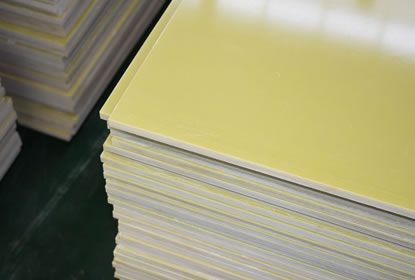
Flexible insulation materials such as DMD and NMN can be used for stator slot insulation and phase insulation, while rigid fiberglass-based materials such as G10 and FR4 may be used for slot wedges, supports, and other structural insulation components.
For high-speed or high-frequency applications, PI film and other high-temperature insulation materials may also be selected where thin insulation and thermal performance are important.
High-voltage motors require more sophisticated insulation systems because their windings are exposed to significantly higher electrical stress.
Large high-voltage motors commonly use mica-based insulation systems for the main stator winding insulation. Depending on the motor design, mica tape may be combined with resin and glass fiber materials to provide reliable ground-wall insulation.
Other materials, including DMD, fiberglass materials, epoxy-based composites, and insulating tapes, may also be used for auxiliary insulation and different parts of the winding system.
Servo motors are widely used in industrial automation, robotics, CNC machines, and precision motion-control equipment. Their insulation systems need to accommodate compact winding structures, frequent operation, thermal cycling, and electrical stress.
Common insulation materials include DMD, NMN, NHN, PI film, PET film, and fiberglass insulation materials.
PI film is particularly useful where thin, flexible, and high-temperature insulation is required, while DMD and NMN can be used for slot insulation, phase insulation, and other winding insulation applications.
High-speed motors operate at significantly higher rotational speeds than conventional industrial motors. Their insulation systems need to balance electrical performance, thermal resistance, mechanical strength, and compact construction.
Depending on the motor design, PI film, NMN, NHN, DMD, fiberglass materials, and other high-temperature insulation materials may be used.
For high-speed applications, the thickness, mechanical strength, thermal class, dielectric properties, and dimensional stability of the insulation material should be carefully considered.
Traction motors used in railway and transportation applications operate under demanding conditions, including vibration, temperature variations, high electrical loads, and frequent starting and braking cycles.
Common insulation materials may include NMN, NHN, DMD, PI film, mica-based materials, fiberglass insulation materials, and other high-performance composites.
The selection of materials depends on the motor voltage, temperature class, mechanical requirements, operating environment, and specific traction application.
Although motor designs vary considerably, several types of insulation materials are widely used across different motor applications.
| Insulation Material | Typical Motor Applications |
|---|---|
| DMD | Slot insulation, phase insulation, interlayer insulation, winding insulation |
| NMN | Slot liners, phase insulation, high-performance motor insulation |
| NHN | High-temperature motor insulation and slot insulation |
| PI Film | Interturn insulation, layer insulation, high-temperature applications |
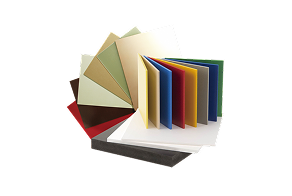
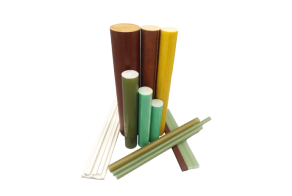
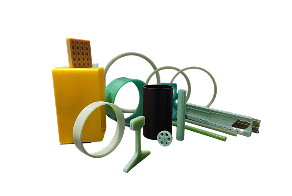
| G10 / FR4 / G11 | Slot wedges, supports, and structural insulation components |
| GPO-3 | Structural electrical insulation, supports, barriers, and components |
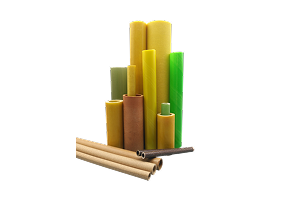
| Fiberglass Materials | Winding binding, sleeving, structural insulation, and high-temperature insulation |
| Mica Insulation | High-voltage motor winding and ground-wall insulation systems |
There is no single insulation material suitable for every type of electric motor. The appropriate material should be selected according to the complete insulation system and the actual operating conditions of the motor.
Important factors include voltage level, temperature class, operating frequency, rotational speed, power density, mechanical stress, winding configuration, and environmental conditions.
For example, a conventional low-voltage induction motor may primarily require flexible slot insulation such as DMD or NMN, while an EV drive motor may require a combination of DMD, NMN, NHN, PI film, and rigid fiberglass insulation components.
ZTelec Group is a professional provider of electrical insulation materials and solutions for motors, transformers, generators, and other electrical equipment.
Our motor insulation product range includes DMD, NMN, NHN, AMA, AHA, PI film, G10, FR4, G11, GPO-3, fiberglass insulation materials, and customized insulation components.
Based on the motor design and application requirements, insulation materials can be supplied in different thicknesses, widths, dimensions, and configurations. Customized insulation components can also be manufactured according to customer drawings and technical specifications.
For motor manufacturers and electrical equipment companies, selecting the appropriate insulation system is an important step toward achieving reliable electrical performance, thermal stability, and long service life.