
 EN
 KR
 ES
 AR


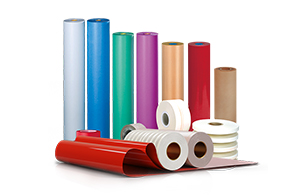
PET (Polyethylene Terephthalate) film, also known as polyester film, is a high-performance plastic film manufactured from polyester resin through processes such as melt extrusion and biaxial stretching.
PET film offers excellent electrical insulation properties, mechanical strength, dimensional stability, and chemical resistance. These characteristics make it widely used in transformers, electric motors, generators, cables, and other electrical equipment as an essential insulating material.

PET film is widely used in electrical equipment because it provides a combination of electrical insulation, mechanical protection, and excellent processing characteristics.
PET film features high dielectric strength and good electrical insulation resistance. It effectively prevents current leakage and helps reduce the risk of short circuits between conductive components in electrical equipment.
During the manufacturing of electric motors, windings, coils, and transformers, insulating materials must withstand bending, stretching, friction, and mechanical pressure during assembly.
PET film offers good tensile strength and mechanical durability, providing reliable insulation and protection for electrical components.
Biaxially oriented PET film offers good dimensional stability under normal operating conditions. It maintains its shape and dimensions during processing and use, making it suitable for motor slot insulation, interlayer insulation, and electrical insulating spacers.
PET film can be laminated with Nomex® aramid paper, electrical insulation paper, polyester nonwoven fabric, and other insulating materials to manufacture composite insulation products such as DMD and NMN.
These composite materials combine the advantages of different insulating layers to meet the thermal, mechanical, and electrical requirements of various electrical applications.
PET polyester film is widely used in various electrical and industrial applications.
| Application | Typical Uses |
|---|---|
| Electric Motors | Slot insulation, phase insulation, and interlayer insulation |
| Generators | Coil insulation and winding insulation |
| Transformers | Interlayer insulation and auxiliary coil insulation |
| Cables | Cable wrapping and electrical insulation barriers |
| Electrical Equipment | Insulating spacers, separation sheets, and protective insulation |
PET film is also an important base material in various composite electrical insulation products.
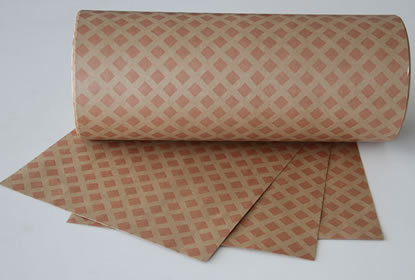
DMD insulation material consists of a PET polyester film laminated between two layers of polyester nonwoven fabric. It offers good mechanical strength, electrical insulation properties, and flexibility, making it widely used in electric motor insulation systems.
NMN insulation material consists of a PET polyester film laminated between two layers of Nomex® aramid paper. It provides enhanced thermal resistance and is commonly used in electric motors and other electrical equipment requiring higher thermal performance.
PET insulation tape uses polyester film as its base material, coated with a suitable pressure-sensitive adhesive. It is commonly used for coil fixing, insulation wrapping, component protection, and electrical assembly.
The performance of electrical-grade PET film depends on its thickness, resin formulation, stretching process, and manufacturing specifications.
The following table provides typical reference values. Actual specifications may vary depending on the manufacturer and product grade.
| Property | Typical Reference Values |
|---|---|
| Material | PET (Polyethylene Terephthalate) |
| Density | Approximately 1.39–1.40 g/cm³ |
| Thickness | 0.025–0.25 mm (common range) |
| Tensile Strength | Approximately 150–220 MPa |
| Dielectric Strength | Approximately 100–200 kV/mm |
| Typical Thermal Performance | Around 105°C, subject to product specifications and thermal evaluation |
| Water Absorption | Low |
| Appearance | Transparent, milky white, and other available colors |
Note: The values above are for general reference only and should not be considered guaranteed specifications. Actual performance should be confirmed through the manufacturer’s technical datasheet and relevant test reports.
PET and PI films are both widely used in the electrical insulation industry. However, they differ significantly in thermal performance, material properties, and typical applications.
| Comparison | PET Film | PI Film |
|---|---|---|
| Full Name | Polyester Film | Polyimide Film |
| Thermal Resistance | Moderate | Excellent |
| Typical Thermal Class Reference | A (105°C) / E (120°C), subject to verification | Suitable for H-class and higher-temperature applications, depending on grade |
| Mechanical Properties | Good | Good |
| Electrical Insulation Properties | Excellent | Excellent |
| Cost | Relatively low | Relatively high |
| Typical Applications | Motors, transformers, and composite insulation materials | High-temperature motors, electronics, and aerospace applications |
Important: The thermal classes listed above are general material selection references. They do not automatically indicate that a film has been certified to a corresponding UL Recognized Insulation System. Actual thermal classification should be supported by appropriate thermal endurance evaluation and certification where required.
When selecting PET polyester film for electrical insulation applications, several important factors should be considered:
Selecting the right PET film helps ensure reliable electrical insulation, mechanical protection, and long-term performance in electrical equipment.