 EN
 KR
 ES
 AR


A motor slot wedge, also known as a stator slot wedge, is an important component of the winding insulation system in electric motors and generators. It is typically installed at the slot openings of stator or, in certain designs, rotor cores. Its primary functions are to secure the windings, provide mechanical support, and help protect the winding insulation.
During motor operation, windings are subjected to electromagnetic forces, mechanical vibration, and thermal cycling. A properly designed slot wedge helps keep the windings securely in place, reducing the risk of loosening and insulation wear while contributing to the reliability and service life of the motor.
Depending on the motor’s power rating, operating environment, working temperature, and insulation class, slot wedges can be manufactured from various insulating materials and composite materials. Custom manufacturing is also available according to customer drawings and technical specifications.
Motor stator cores typically contain multiple slots designed to accommodate the windings. After the windings are inserted into these slots, the slot wedges are installed at the slot openings, where they fit into the corresponding core-slot structures to retain the windings and associated insulation components.
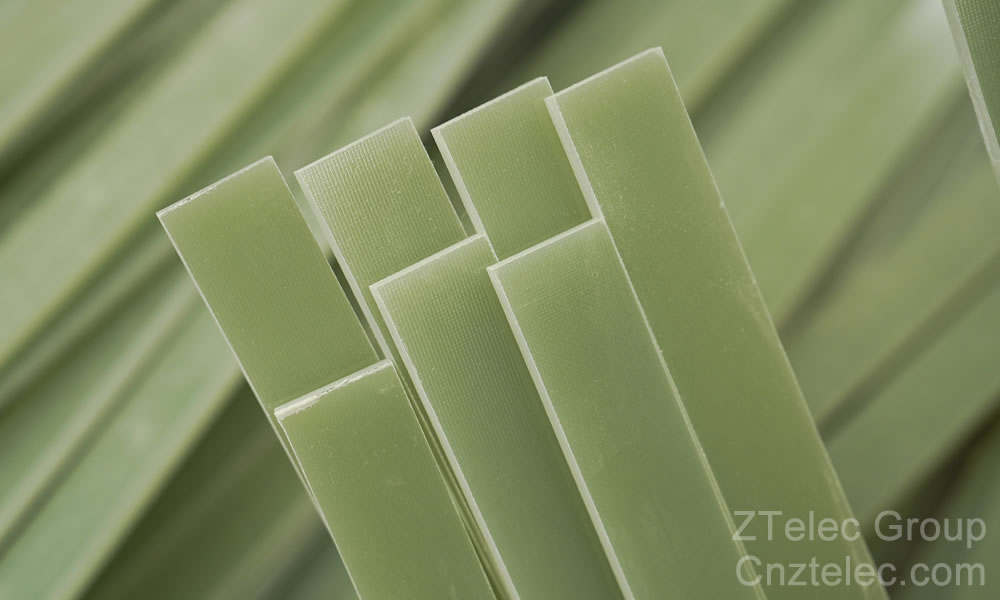
A slot wedge is generally a long, narrow component installed along the axial direction of the core. Its cross-sectional profile, thickness, width, and length must match the geometry of the core-slot opening to ensure proper installation and meet the mechanical and electrical insulation requirements of the motor design.
Because slot configurations and structural requirements vary among different motors, slot wedges are not universally interchangeable. Material selection and manufacturing must take into account the core-slot dimensions, winding configuration, operating temperature, mechanical loads, and electrical insulation requirements.
One of the primary functions of a motor slot wedge is to secure the windings within the core slots.
During motor startup, operation, and load variations, the windings are subjected to electromagnetic forces and mechanical vibration. Reliable winding retention is particularly important in high-speed motors and large industrial motors.
By fitting into the core-slot opening, the slot wedge provides the necessary restraint and support, helping reduce winding movement, loosening, and the associated risk of mechanical damage.
Installed at the slot opening, the slot wedge provides mechanical protection for the windings inside the core slots. It helps reduce the risk of insulation damage caused by friction, vibration, or localized mechanical stress during assembly and operation.
When incorporated into a properly designed slot insulation system and appropriate assembly process, the slot wedge works together with slot liners, fillers, and other insulation components to improve the overall stability of the winding system.
Insulating slot wedges are generally manufactured from materials with suitable dielectric properties. Their electrical performance, thermal resistance, and dimensional stability contribute to the insulation reliability of the slot-opening area.
For different voltage levels and insulation systems, slot wedge materials must meet the applicable requirements for dielectric strength, thermal endurance, moisture absorption, and mechanical performance to support reliable long-term motor operation.
Magnetic slot wedges may be used in certain high-voltage motors, large industrial motors, and specially designed high-efficiency motors.
Unlike conventional non-magnetic insulating slot wedges, magnetic slot wedges have magnetic permeability that can influence the air-gap magnetic field distribution. Under appropriate electromagnetic design conditions, they may help reduce slotting effects, harmonic losses, and electromagnetic noise, or improve motor efficiency.
The actual benefits depend on the motor’s electromagnetic design, the magnetic properties of the wedge material, and the operating conditions. Performance improvements should therefore be evaluated through specific design calculations and testing.
Material selection for motor slot wedges requires consideration of mechanical strength, electrical insulation performance, thermal resistance, machining precision, and the operating environment.
| Slot Wedge Type | Common Materials | Key Characteristics and Applications |
|---|---|---|
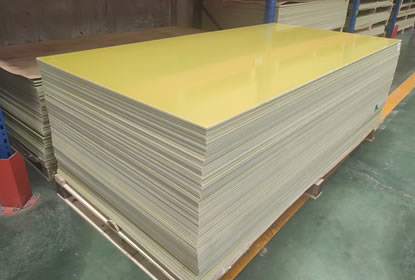
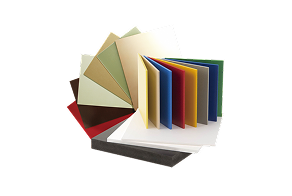
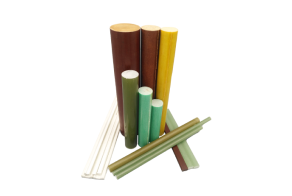
| Epoxy Glass Cloth Laminate Slot Wedges | FR-4 , G10, G11 epoxy sheet, and other suitable grades of epoxy glass cloth laminates | Offer good mechanical strength and electrical insulation properties. Suitable grades can be selected for motors with different thermal requirements. |
| Polyester Fiberglass Composite Slot Wedges | Suitable grades of polyester resin-based fiberglass composites | Can be used in motor insulation systems requiring appropriate mechanical support, electrical insulation, and machinability. |
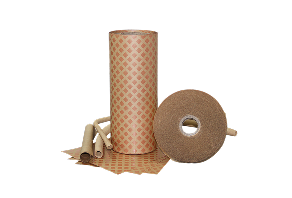
| Polyester Film and Composite Insulation Materials | PET film and other composite insulation materials | Used in specific slot insulation structures or composite insulation components, depending on the design and mechanical loads. |
| Magnetic Slot Wedges | Resin matrices combined with magnetic fillers and other suitable materials | Provide magnetic properties and are used in motors with specialized electromagnetic designs. |
Different materials vary in thermal endurance, flexural strength, impact resistance, water absorption, dielectric strength, and machining characteristics.
For example, FR-4 , G10, and G11 are commonly used categories of epoxy glass cloth laminate materials. However, their actual performance depends on the material formulation, applicable product standards, and manufacturing processes. Suitability for a specific motor should not be determined by the material designation alone.
When selecting a slot wedge material, it is recommended to consider the motor’s insulation class, maximum operating temperature, operating environment, core-slot geometry, and mechanical loads. The selected material should be verified against the applicable performance requirements.
Machining precision directly affects installation quality and the reliability of winding retention.
A typical manufacturing process includes the following steps:
For motors manufactured using VPI (Vacuum Pressure Impregnation), the slot wedge material must also be compatible with the overall insulation system and the impregnation and curing processes. Specific requirements should be determined according to the motor design and manufacturing process.
ZTelec Group specializes in electrical insulation materials and insulation component solutions for electrical equipment. Its manufacturing facility, Xujue Electrical, has experience in insulation material production and processing, providing custom motor slot wedges and related insulation components for electric motor, generator, and other electrical equipment manufacturers.
To meet the varying structural designs, insulation classes, operating temperatures, and mechanical requirements of different motors, Xujue Electrical can work from customer-provided drawings, samples, and technical specifications to evaluate suitable insulating materials and manufacture slot wedges to the required dimensions and profiles.
Our goal is to provide customized components that meet the specific winding retention and insulation requirements of different motor applications.
From material selection to finished component manufacturing, ZTelec Group and its manufacturing facility, Xujue Electrical, are committed to providing reliable electrical insulation materials and customized processing solutions tailored to customer requirements.
If you are looking for a motor slot wedge manufacturer or a custom insulation component supplier, contact ZTelec Group to discuss your requirements.
Please provide your product drawings, material specifications, dimensions, operating temperature, application details, and order quantity. Our team can evaluate the manufacturing requirements and recommend a suitable material and processing solution, together with a quotation based on your specifications.