 EN
EN  KR
KR  ES
ES  AR
AR 

Grid modernization, renewable energy development, and industrial electrification are creating new market opportunities for electrical insulation material suppliers.
October 15, 2026
The European electrical insulation materials market is closely linked to power grid development, transformer manufacturing, industrial electrification, renewable energy, and electric mobility. As European countries continue to invest in power infrastructure and upgrade industrial equipment, reliable insulation materials remain essential to the performance, safety, and service life of transformers, electric motors, generators, and other electrical equipment.
For electrical insulation material manufacturers and suppliers, these developments are creating market opportunities across multiple product categories, including transformer insulation paper, electrical insulation pressboard, electrical laminated wood, flexible motor insulation materials, epoxy glass-fiber laminate sheets, and custom-machined insulation components.
ZTelec Group is a specialized provider of electrical insulation materials and solutions, supplying insulation materials and customized solutions for transformers, electric motors, generators, and other electrical equipment.
The modernization of Europe’s power infrastructure is one of the key factors supporting demand for transformers and related electrical components.
According to grid-related guidance published by the European Commission in June 2025, Europe may require approximately €730 billion in distribution grid investment and €477 billion in transmission grid investment by 2040. The European Commission also highlighted the aging condition of existing distribution infrastructure and the need to expand grid capacity to accommodate changing electricity demand.
Source: European Commission — EU Guidance on Ensuring Electricity Grids Are Fit for the Future
These infrastructure requirements are expected to support the procurement of new transformers, the replacement of aging equipment, and the development of distribution equipment and related insulation components. Transformer manufacturers must select insulation materials that meet the electrical, thermal, mechanical, and operational requirements of their specific designs.
1. Transformer Insulation Paper
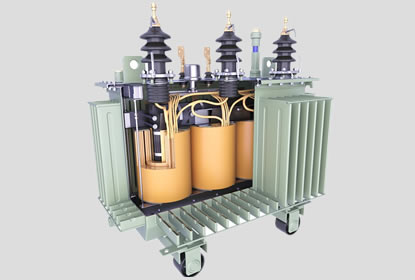
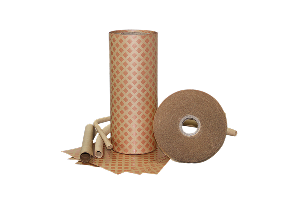
Cellulose-based insulation paper is widely used in the winding insulation systems of oil-immersed transformers. Depending on the application, common products include electrical kraft paper, thermally upgraded insulation paper, and electrical crepe paper.
Key selection criteria include thickness, basis weight, moisture content, dielectric properties, thermal characteristics, and compatibility with the intended transformer insulation system.
2. Transformer Insulation Pressboard
Electrical insulation pressboard is used for insulating barriers, spacers, support components, and other solid insulation parts in oil-immersed transformers. Manufacturers may require standard pressboard sheets, cut-to-size boards, pressboard strips, or customized insulation components.
Material density, thickness consistency, mechanical strength, moisture control, and electrical performance are important considerations during procurement.
3. Electrical Insulation Laminated Wood
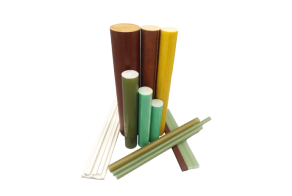
Electrical insulation laminated wood is used in certain transformer designs for structural support, clamping components, spacers, and other insulating parts. These applications require suitable mechanical strength, dimensional stability, machining precision, and compatibility with actual operating conditions.
4. Dry-Type Transformer Insulation Materials
Depending on their design, dry-type transformers may use flexible insulation materials, rigid laminate sheets, films, and customized insulation components.
Common materials include DMD, NMN, and NHN flexible composites, polyester film, polyimide film, and glass-fiber-reinforced insulation laminates.
Material selection depends on the transformer design, thermal class, dielectric requirements, mechanical stresses, and applicable technical specifications.
Electric motors are widely used in industrial manufacturing, pumps, compressors, fans, machine tools, transportation systems, and other applications. As industrial electrification advances and energy-efficiency requirements become increasingly important, motor design and manufacturing remain significant markets for electrical insulation material suppliers.
Motor insulation systems must prevent electrical breakdown between conductors, maintain electrical isolation between components, and withstand operating temperatures, mechanical vibration, and electrical stresses.
Depending on the motor design, insulation materials may be used in stator slots, between winding phases, around conductors, and in other critical insulation locations.
1. Flexible Composite Insulation Materials
Materials such as DMD, NMN, and NHN are used in compatible motor insulation systems for slot insulation, phase insulation, and other winding insulation applications.
Selection depends on the required thermal class, dielectric performance, mechanical strength, flexibility, and compatibility with the motor manufacturing process.
2. Polyester Film and Polyimide Film
Polyester film and polyimide film offer different electrical, thermal, and mechanical properties and are used in various motor insulation applications.
Polyimide film may be considered for specific applications requiring higher temperature resistance. The final material choice should always be based on the motor design and the requirements of the complete insulation system.
3. Epoxy Glass-Fiber Laminate Sheets
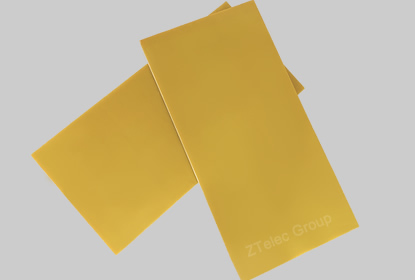
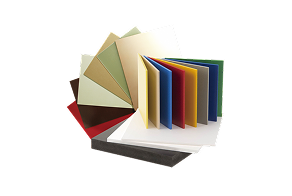
Materials such as FR-4, G10, and G11 are used in selected electrical equipment applications, particularly where rigid insulation, mechanical strength, dimensional stability, or good machinability is required.
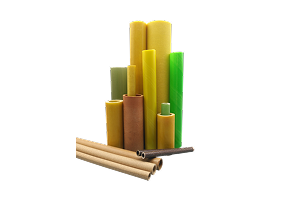
Depending on the design, these materials can be machined into insulating supports, spacers, barriers, and other customized components. Not every material grade is suitable for every motor operating temperature or insulation location.
4. Custom Motor Insulation Components
Motor manufacturers may require insulation components produced to specific drawings, samples, or dimensions. Custom machining can meet specialized requirements for slot insulation, structural support, component spacing, and electrical isolation.
For insulation material suppliers, offering both raw materials and machined components can provide a more comprehensive solution for customers’ manufacturing needs.
Changes in Europe’s energy mix and industrial landscape are creating additional application opportunities for transformers, motors, generators, and related insulation systems.
Wind and solar power projects require electrical equipment for power generation, conversion, and grid connection. Transformers, generators, electric motors, and auxiliary equipment all rely on insulation materials suitable for their operating conditions.
Specific material requirements depend on equipment design, voltage level, operating temperature, environmental conditions, and expected service life.
Electric vehicles, industrial automation, and other electrification systems depend on electric motors and related power equipment. Motor insulation systems must meet the relevant electrical, thermal, mechanical, and manufacturing requirements.
In certain specialized motor designs, higher-performance insulation materials may be required because of elevated operating temperatures, increased electrical stress, or limited installation space.
The expansion of data centers is increasing the importance of reliable power distribution systems, backup power supplies, and associated industrial equipment. Transformers and electric motors may form part of these systems.
For insulation material suppliers, these applications represent potential business opportunities. However, supplied materials must meet the technical specifications and operating requirements of the relevant equipment.
It is important to note that these industries represent potential sources of market demand, and not every insulation material category will necessarily experience growth at the same rate. Actual procurement opportunities depend on equipment production volumes, project schedules, material specifications, and supplier qualification requirements.
Transformer and motor manufacturers typically evaluate suppliers based on technical suitability, product consistency, technical documentation, delivery reliability, and total procurement cost.
Key considerations include:
Electrical Performance: Dielectric strength, insulation resistance, and other relevant electrical properties must meet the requirements of the intended application.
Thermal Performance: Materials must be suitable for the specified operating temperature and insulation system.
Mechanical Properties: These include strength, flexibility, dimensional stability, and the ability to withstand relevant mechanical stresses.
Quality Consistency: Products should maintain stable specifications and be supported by batch inspection and production traceability records.
Technical Documentation: Suppliers should be able to provide technical data sheets, inspection reports, and applicable declarations of conformity or test certificates.
Customization Capabilities: Suppliers should be able to provide different material grades, thicknesses, dimensions, and machined insulation components.
Supply Reliability: Consistent production capacity, reasonable lead times, and dependable fulfillment of bulk orders are important.
Before introducing a new insulation material supplier into production, customers typically need to conduct sample testing and technical evaluation.
ZTelec Group serves the electrical equipment industry through its insulation material manufacturing capabilities and broad product portfolio. Xujue Electrical is a manufacturing facility under ZTelec Group, specializing in insulation materials for transformers, electric motors, generators, and other electrical equipment.
Its product portfolio covers several important categories to address different insulation requirements in electrical equipment manufacturing.
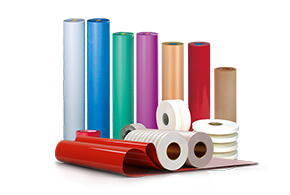
Products for Transformer Manufacturers
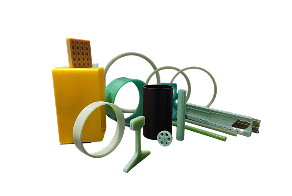
Products for Motor and Electrical Equipment Manufacturers
Product availability, material grades, and technical specifications should be confirmed according to the requirements of each application.
By combining insulation material manufacturing with customized machining capabilities, ZTelec Group can supply sheet materials, flexible insulation materials, and insulation components manufactured to drawings or samples, helping customers meet different production requirements.
For equipment manufacturers and procurement teams, the key challenge is to select insulation materials that meet specific electrical, thermal, mechanical, and environmental requirements while maintaining consistent quality and reliable supply.
For insulation material suppliers, market opportunities are closely associated with understanding customers’ actual applications, providing accurate technical documentation, supporting material testing and evaluation, and establishing long-term relationships with transformer and motor manufacturers.
ZTelec Group, through its dedicated electrical insulation material R&D capabilities and manufacturing facilities, welcomes inquiries from European transformer manufacturers, electric motor producers, generator manufacturers, and other electrical equipment companies seeking insulation materials and customized machined components.
Contact us to discuss transformer insulation materials, motor insulation materials, custom electrical insulation components, and bulk supply solutions.