 EN
EN  KR
KR  ES
ES  AR
AR 
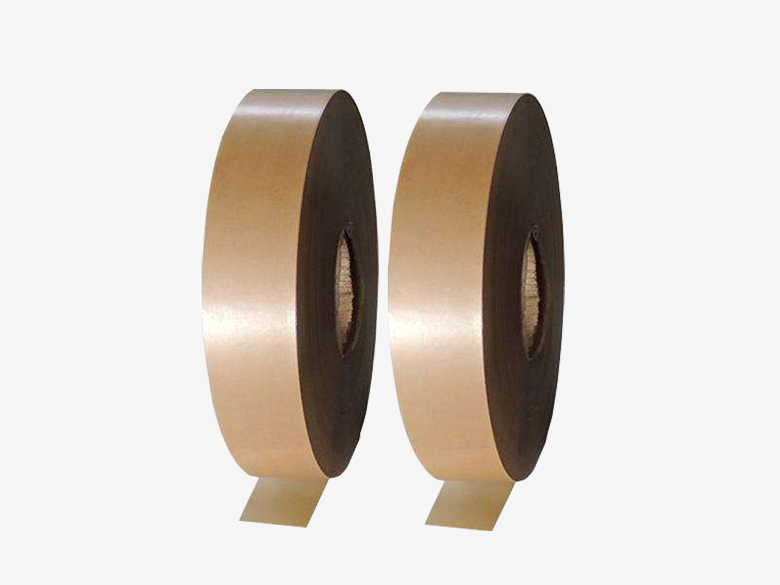
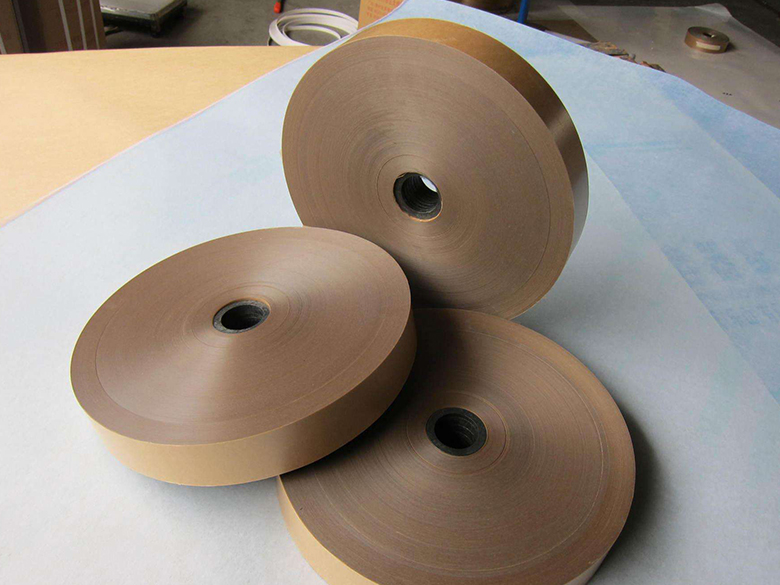
Standard: GB/T 12913-2008
Regular Thickness: 10µm, 12µm, 15µm, 17µm
Density: 1.22g/cm3
Raw Material: 100% high purity sulphate wood pulp
Application: Capacitor,Optical Microscope
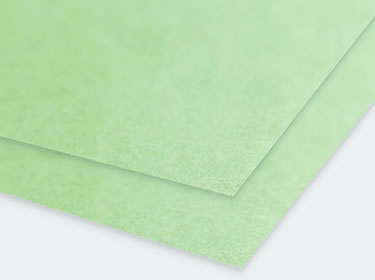
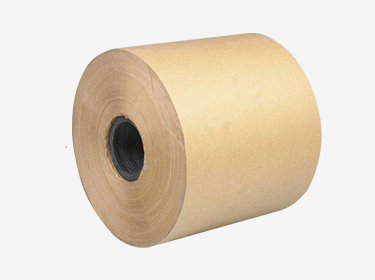
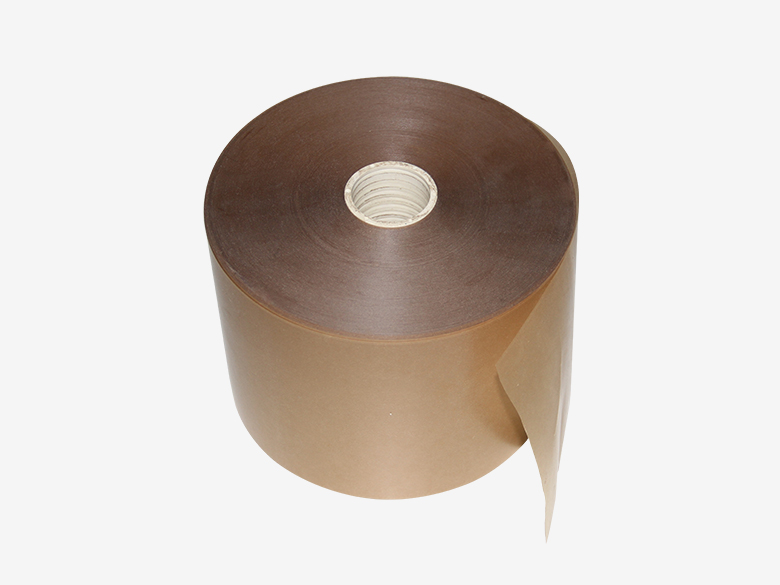
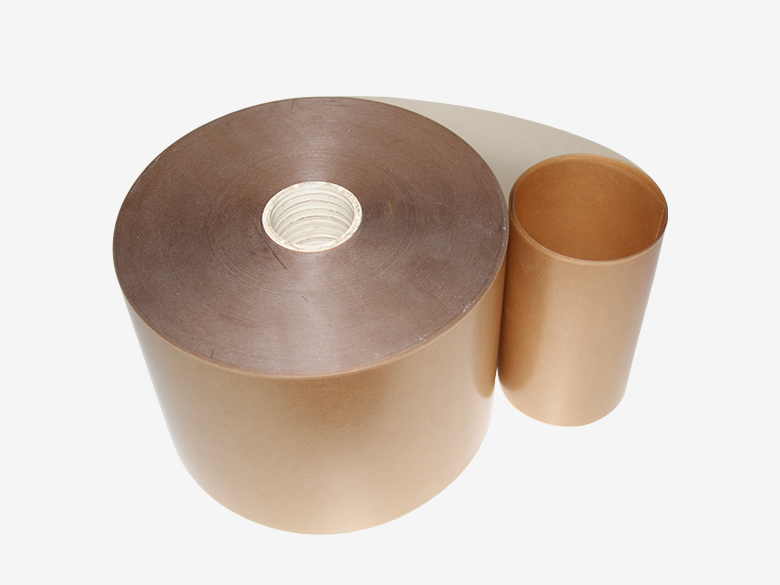
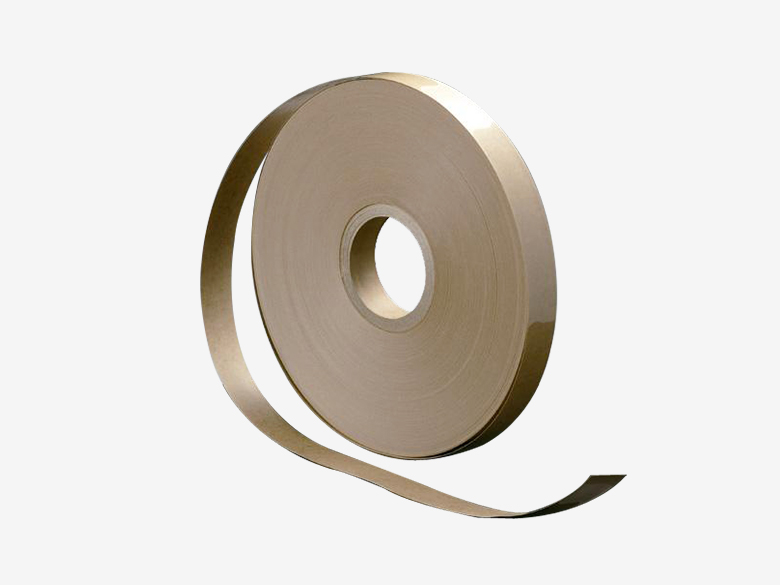
Capacitor Paper is a type of insulating paper used exclusively for making paper capacitors. It is made from unbleached sulphate softwood pulp without any auxillary materials and pulped with high viscosity, then made on a specialized long net thin page paper machine and super calendered. The water used for production must be treated by ion exchange method to make the content of copper, iron and chlorine ions extremely low. It is rolled paper, which is uniform, tight, well-proportioned and without noles. The paper is as thin as a cicada wing but with high mechanical strength, excellent air permeablity, electrolyte absorption performance, good chemical purity. Its PH is close to neutral with excellent physical and electrical properties. It has specific requirements for breakdown voltage and conductive particles.
High Purity: Minimal impurities (especially metal ions and conductive particles) to prevent chemical reactions or electrical breakdown.
Physical Uniformity: Extremely thin (ranging from a few to dozens of microns) with uniform density to ensure an even electric field.
Electrical Properties: High dielectric strength (breakdown voltage) and a very low dissipation factor.
Excellent Impregnability: High porosity is required so that electrolytes or insulating impregnants can penetrate quickly and evenly.
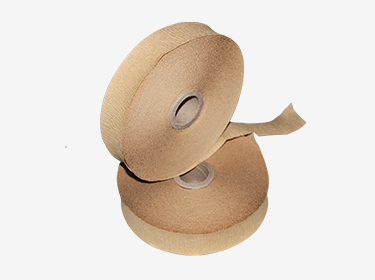
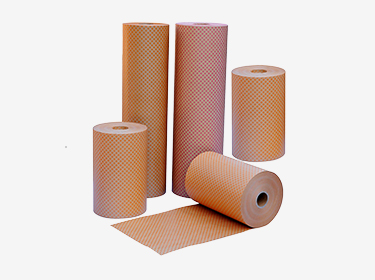
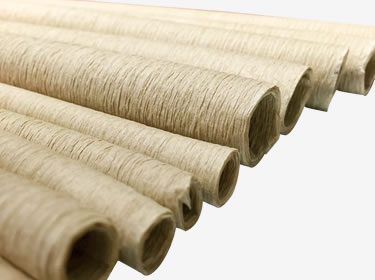
Capacitor Paper is a specialized type of industrial technical paper used as a dielectric or separator in the manufacturing of various capacitors.
Based on its application, it is generally divided into two categories:
Power Capacitor Paper (Dielectric Paper): Used in high or low-voltage power capacitors as a solid dielectric between electrodes. It is typically impregnated with insulating oil or wax to enhance its dielectric strength.
Electrolytic Capacitor Paper (Separator Paper): Specifically designed for aluminum electrolytic capacitors. It sits between the anode and cathode foils to store the electrolyte and prevent physical short-circuiting.
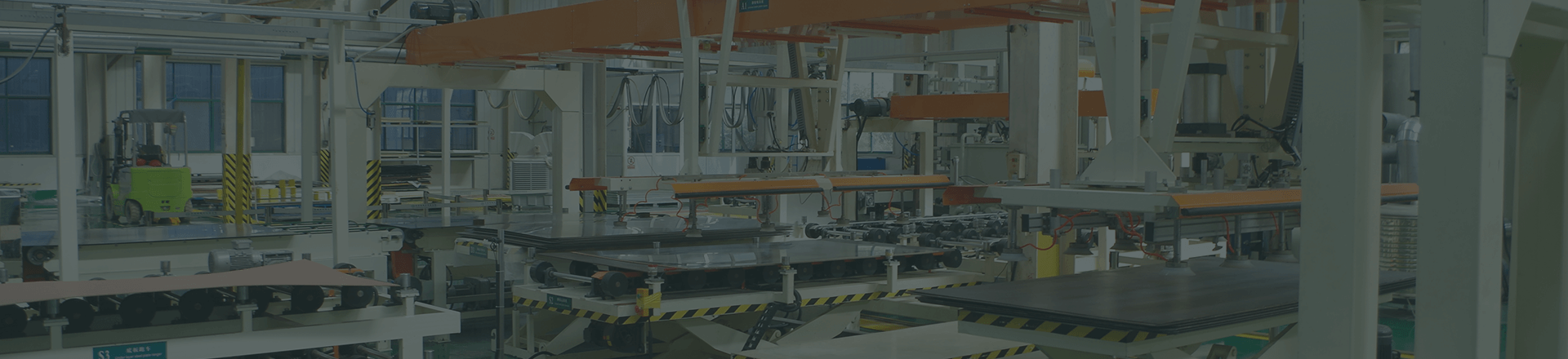
1.Factory: We operate a professional electrical insulation materials manufacturing facility and are ISO-certified.
2.Fully Automated Production: Our advanced automated workshop is supported by a strict and comprehensive quality management system.
3.Quality Inspection: Equipped with four major laboratories and five core product performance testing capabilities.
4.Processing Services: We provide customized processing solutions based on your requirements, ensuring high quality and on-time delivery.
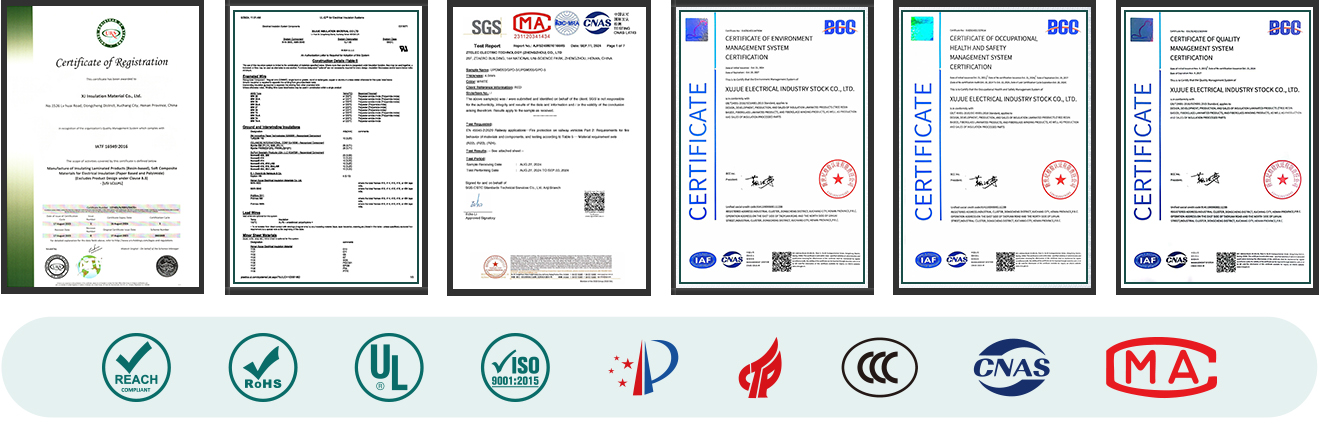
5.Product Certification: Our products comply with UL, SGS, RoHS, and REACH standards. Sample testing is available upon request.
6.Ready Stock Supply: Standard products can be delivered within 7–15 days.
Our company is certified to ISO 9001, ISO 14001, and ISO 45001 management systems. Our products also comply with international certifications and reports including UL, RoHS, REACH, MSDS, CEMT, as well as factory inspection and test reports provided before shipment.

| Product name | Unit | Capacitor Paper | |||||
| SECTIONI-MAIN CHARACTERISTICS | |||||||
| Thickness | μm | 10-12 | 15-17 | ||||
| Tolerance | % | ±5 | ±5 | ||||
| Tolerance | CMD | ≤0.5 | |||||
| MD | ≤0.7 | ||||||
| Density | g/cm³ | 1.22±0.05 | |||||
| Moisture content | % | 10-22μm:5.0-9.0 | |||||
| Ash content | % | ≤0.35 | |||||
| Acidity of water extract | % | ≤0.007 | |||||
| Chloride content | mg/kg | Testing according to GB/T 2678.55.0/Testing according to GB/T 2678.230 | |||||
| SECTIONII-MECHANICAL CHARACTERISTICS | |||||||
| Tensile index | MD | N.m/g | 78 | ||||
| SECTIONⅢ-ELECTRICALDATA | |||||||
| Thickness | μm | 10 | 12 | 15 | 17 | ||
| Electrical strength | Minimum value | Vlayer | 330 | 365 | 410 | 425 | |
| Average value | 460 | 510 | 535 | 545 | |||
| Conducting particles | PCS/m² | ≤70 | ≤40 | ≤25 | ≤10 | ||
| Conductivity of water extract | mS/m | ≤3 | |||||
| Dielectric loss factor (tanō) | (tgō)(60℃) | % | ≤0.19 | ||||
| (tgō)(100℃) | % | ≤0.25 | |||||