 EN
EN  KR
KR  ES
ES  AR
AR 

DMD Insulation Material: Optimal Choice for Electrical Equipment Reliability and Compatibility
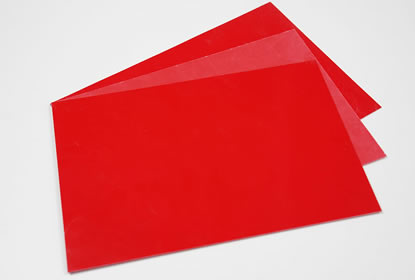
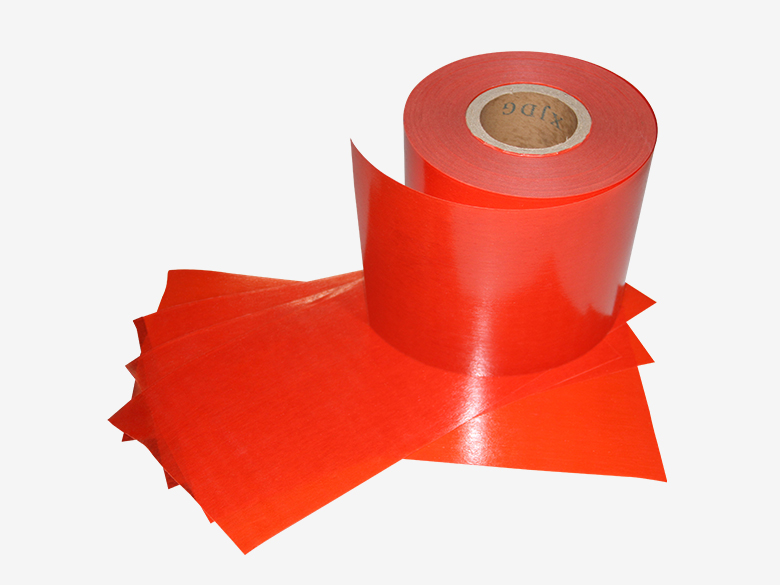
In the insulation systems of electrical equipment, material selection directly affects operational lifespan and safety. DMD insulation material, with its unique “sandwich” composite structure—comprising a polyester film layer sandwiched between two layers of non-woven polyester fabric—strikes an excellent balance between mechanical strength, dielectric performance, and process adaptability. This makes it a widely applied insulation solution for motors, transformers, and other electrical devices.
Key Application Scenarios of DMD Insulation Material in Electrical Equipment
1. Insulation for Low- and Medium-Voltage Motor Windings
Low- and medium-voltage motors (e.g., household appliances, small industrial motors) require reliable turn-to-turn and layer-to-layer insulation, while withstanding operational temperature rises and vibrations. DMD insulation material can be manufactured into insulating tapes wrapped around winding conductors or cut into sheets placed between winding layers. The polyester film layer ensures dielectric reliability, while the non-woven fabric layer cushions against vibration and mechanical stress. Its lightweight and thin profile minimizes the insulation thickness, preventing excessive motor size, and its flexibility accommodates winding curvature without cracking, ensuring long-term stable operation.
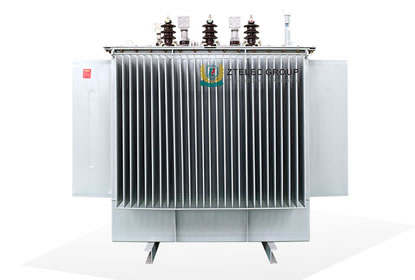
2. Dry-Type Transformer Insulation
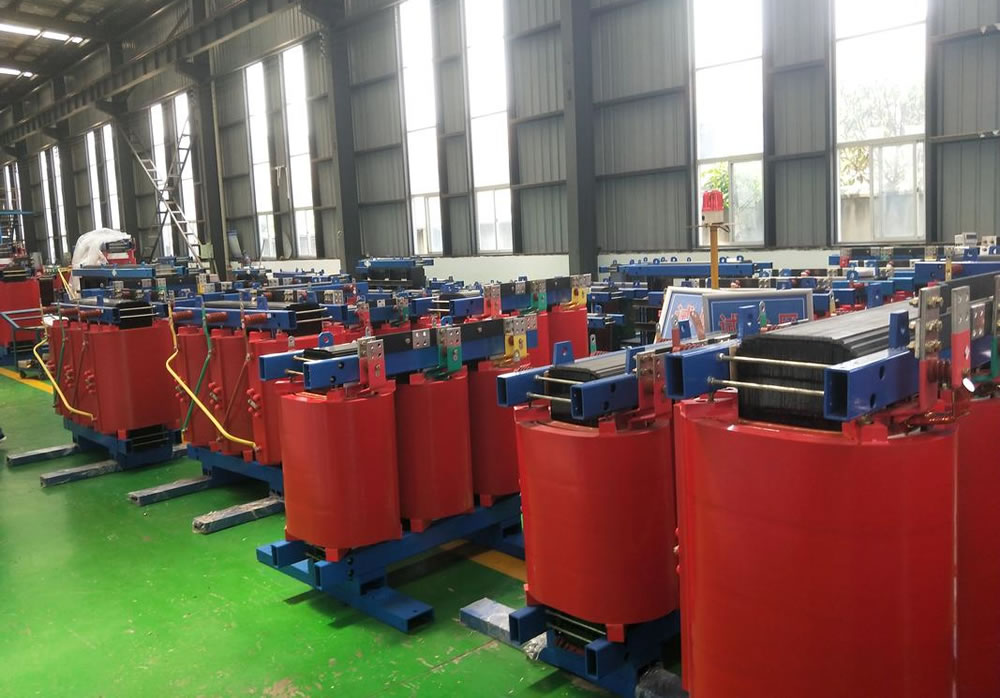
In dry-type distribution transformers, insulation is required between the core and windings, as well as between windings and the tank, while adapting to compact internal structures. DMD insulation material can be processed into insulation barriers between cores and windings or used as an outer wrapping layer for windings. Its dielectric performance meets the insulation class requirements of dry-type transformers, while its mechanical strength supports winding weight, preventing displacement and insulation failure during operation.
3. Insulation Support in Reactors
Reactors generate electromagnetic forces during operation, causing slight winding displacement. Insulation materials must provide both support and dielectric protection. DMD insulation material can be made into support strips placed between winding gaps, providing turn-to-turn insulation while the non-woven layer elastically buffers electromagnetic force impacts to prevent winding deformation. Its ease of processing allows adaptation to irregular winding arrangements, ensuring each support point is accurately positioned and maintaining structural stability of the reactor.
Key Selection Parameters and Industry Standards
When selecting DMD material, it is recommended to focus on the following key parameters to balance reliability and cost:
Thermal Class: Choose according to equipment design lifespan. Class B (130°C) is typical for household appliances; Class F (155°C) is standard for industrial motors; Class H (180°C) is used in traction motors or specialized environments.
Thickness and Mechanical Strength: Thin materials (0.15–0.20 mm) suit small power tools; thicker materials (≥0.25 mm) are suitable for high-voltage motors and transformers.
Certification Standards: Prefer materials with UL certification or compliance with IEC 60085, indicating rigorous long-term thermal aging testing.
Environmental Compliance: RoHS certification ensures the material meets environmental regulations.